
What You Give Up Playing Outside the UKGC
 Available in GB
By , Gambling Regulation Analyst – about 9 min read
Most pages about casinos not on GamStop skip lightly over the downside. This one makes it the whole point. Stepping outside the UK Gambling Commission does not just remove a logo – it removes a stack of specific, named protections you may not notice until the day something goes wrong. Here is exactly what falls away, laid out plainly, so the trade-off is something you decide on rather than discover.
Table of Contents
- Offshore means fewer protections, not more safety
- The five things that fall away, at a glance
- No UKGC dispute resolution
- No requirement to protect your funds
- The cross-border enforcement gap
- KYC that can be used against you
- No safer-gambling backstop
- Legal for you, but unprotected
- What to do with all this
- Support is here whenever you need it
Offshore means fewer protections, not more safety
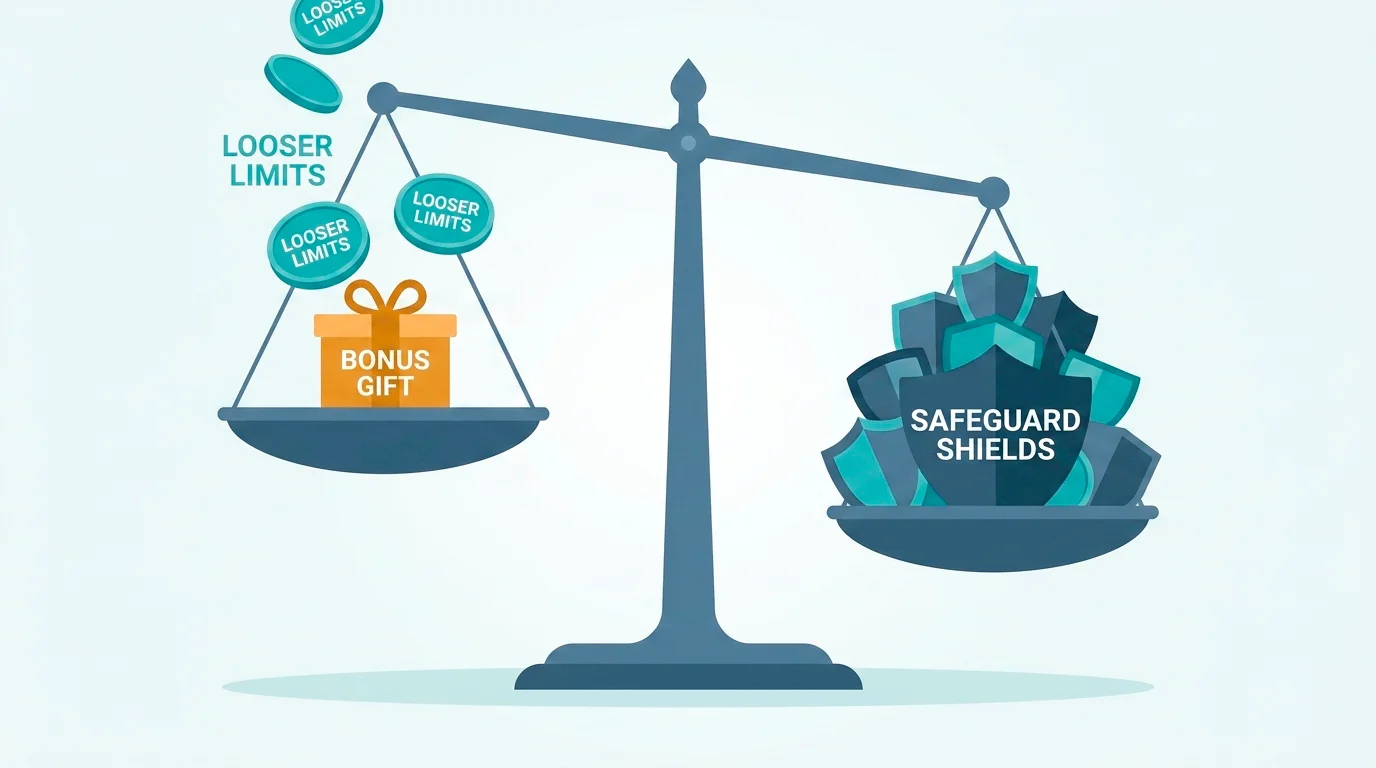
It is worth saying this clearly before anything else: playing offshore is not safer than playing on a UK-licensed site. You may gain looser limits and bigger bonuses, but you trade away the safeguards that exist precisely for the moments things go sideways.
That trade is rarely visible at sign-up. Everything works smoothly while you are depositing and playing; the missing protections only reveal themselves at the points of friction – a withheld withdrawal, an account freeze, a dispute, or a personal crisis you wanted to be protected from. By then the safeguards you would have relied on are simply not there, and there is no late option to add them back.
The protections below are not optional extras a UKGC operator chooses to offer. They are licence conditions built on the Gambling Act 2005 (c.19), whose licensing objectives include keeping gambling fair and open and protecting vulnerable people. You can read the founding statute at legislation.gov.uk and the Commission’s consumer protections at gamblingcommission.gov.uk. For the mechanics of how these operators work in the first place, the licensing overview explains why they sit outside the system.
The five things that fall away, at a glance
Before the detail, here is the whole picture in one place. Each of these is covered in its own section below.
- Dispute resolution: no UKGC-approved body to escalate an unfair decision to.
- Fund protection: no requirement to keep your balance safe if the operator fails or refuses to pay.
- Enforcement: civil claims against a distant operator are often unenforceable in UK courts.
- Identity checks: verification can be held back to the withdrawal stage and used against you.
- Safer-gambling backstop: no mandatory affordability checks, no deposit-limit prompts and no GamStop block.
Notice that none of these is about whether a particular site is “a scam”. They apply even to a perfectly honest offshore operator, because they are about the system around it, not its intentions. A good operator can still go out of business, change its terms, or be unable to help you across a border – and without the UK framework, there is no one standing behind it to make things right.
No UKGC dispute resolution
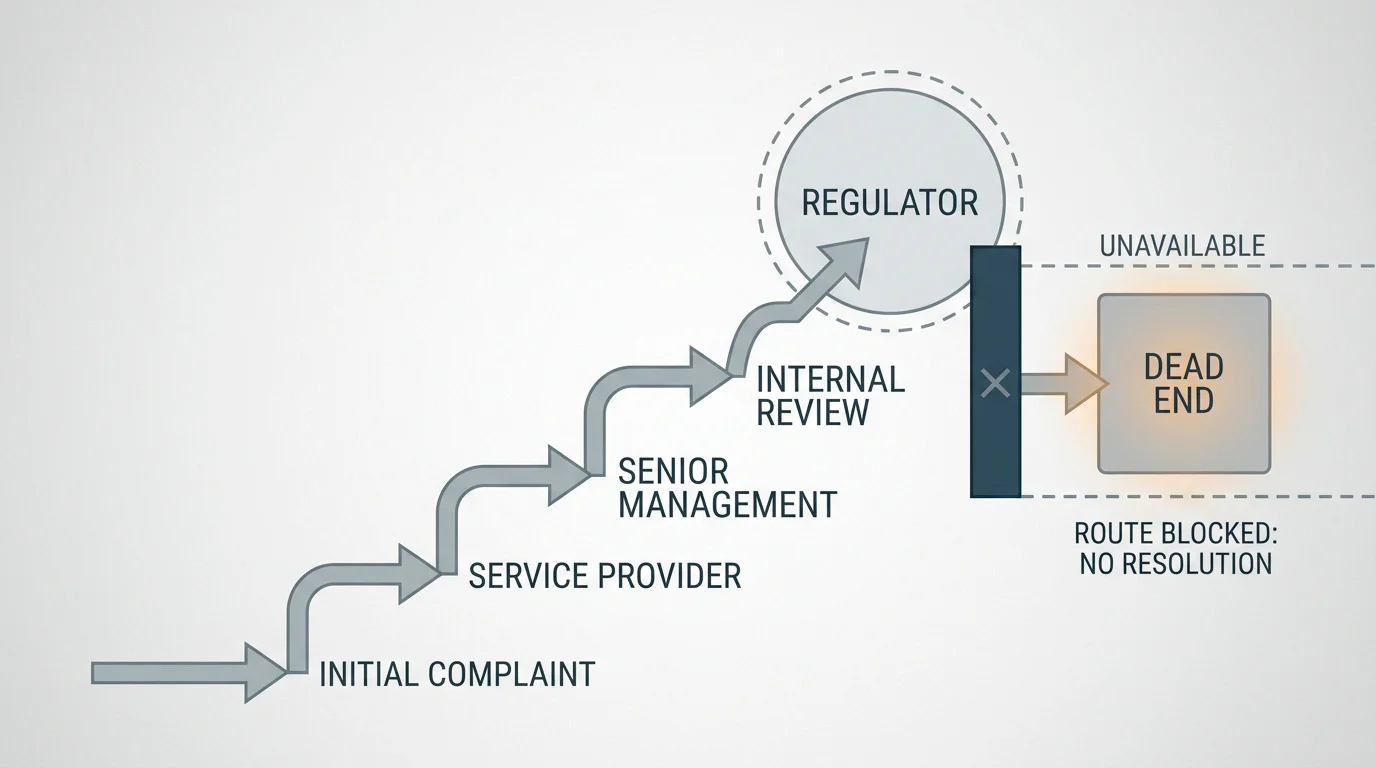
If a UK-licensed casino treats you unfairly, you are not on your own. You can escalate to an approved alternative dispute resolution body and, ultimately, raise the conduct with the regulator itself. That route is a backstop you rarely think about until you need it.
Offshore, that backstop is usually weak or missing. Curaçao’s complaints route exists on paper since its 2024 reform but is largely unproven; Anjouan and unlicensed sites offer little to nothing. In practice, “appeal” can mean emailing the same support team that denied you and hoping for a different answer.
The contrast with the UK system is stark. A UKGC licensee must point you to an independent adjudicator whose decisions it has agreed to accept, and the regulator can take action against patterns of misconduct. Offshore, the body judging your complaint and the body that wronged you are frequently one and the same, and there is no higher authority that the operator answers to in any way you can reach.
No requirement to protect your funds
UK licence conditions set expectations about how player money is held and how clearly an operator must tell you whether your balance is protected if the business fails. It is not a perfect guarantee, but it is a structure.
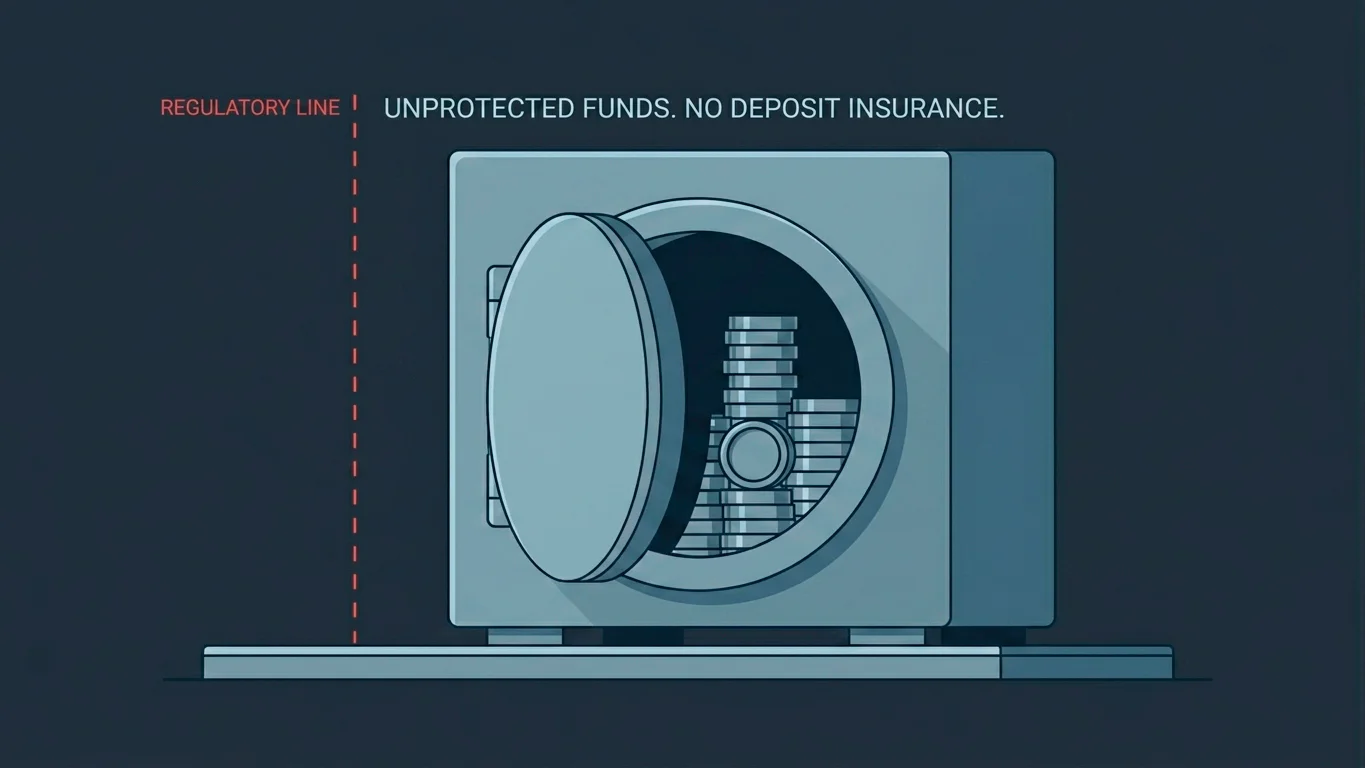
Offshore, there is typically no requirement to keep player balances segregated or protected at all. If an operator collapses or simply refuses to pay, recovering your money can be impossible – and as our guide to payments and ID checks explains, crypto funding makes that recovery harder still.
This is easy to underestimate, because most of the time the money simply appears in your balance and you never think about where it actually sits. But a casino balance is not the same as money in a bank. It is a promise from the operator, and the value of that promise depends entirely on the operator’s solvency and goodwill. Outside the UKGC, nothing obliges the operator to ring-fence the funds that back that promise, and there is no compensation scheme to step in if the promise is broken.
The cross-border enforcement gap
Even where you might in theory have a legal claim, enforcing it is another matter. Civil claims against an operator based in a distant jurisdiction are frequently unenforceable in UK courts.
That gap is not a loophole you can plan around; it is structural. A judgment you cannot enforce is worth little, which is why the practical answer is prevention – choosing carefully and verifying first – rather than expecting to win redress afterwards.
It also means the usual consumer instincts do not transfer. In most areas of UK life, if a company treats you badly you have somewhere to complain and a system that can compel a remedy. Here, the operator may be a company you cannot easily identify, in a country whose courts you cannot realistically reach, holding money in a form that cannot be reversed. Each of those facts is manageable on its own; together they are why offshore disputes so rarely end well for the player.
KYC that can be used against you
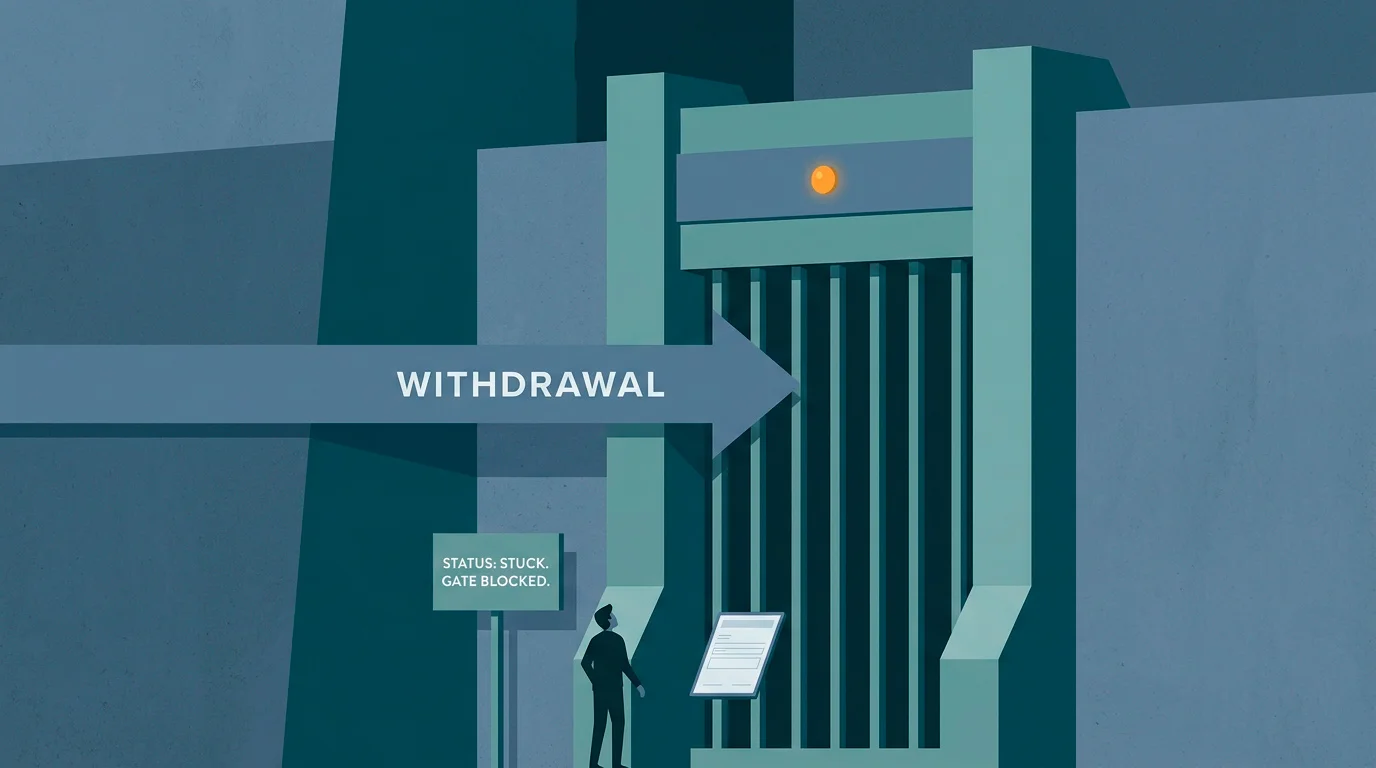
Identity checks are not the problem in themselves. The problem offshore is timing and control. Many sites keep sign-up light and then demand full verification at withdrawal, which can be used to delay or deny a payout after a win.
With no regulator policing the process, there is no external standard for how quickly or fairly it must be done. We cover the mechanics, and how to tell a fair check from an unfair one, in the page on payments and ID checks.
The cruel twist is that the people most likely to be caught by this are the ones who win. A losing player is never asked to verify anything, because there is nothing to pay out. It is the winning withdrawal that triggers the document requests, the delays and occasionally the convenient discovery of a breached term. An “easy, no-verification” site is only easy until you actually try to take money out of it.
No safer-gambling backstop
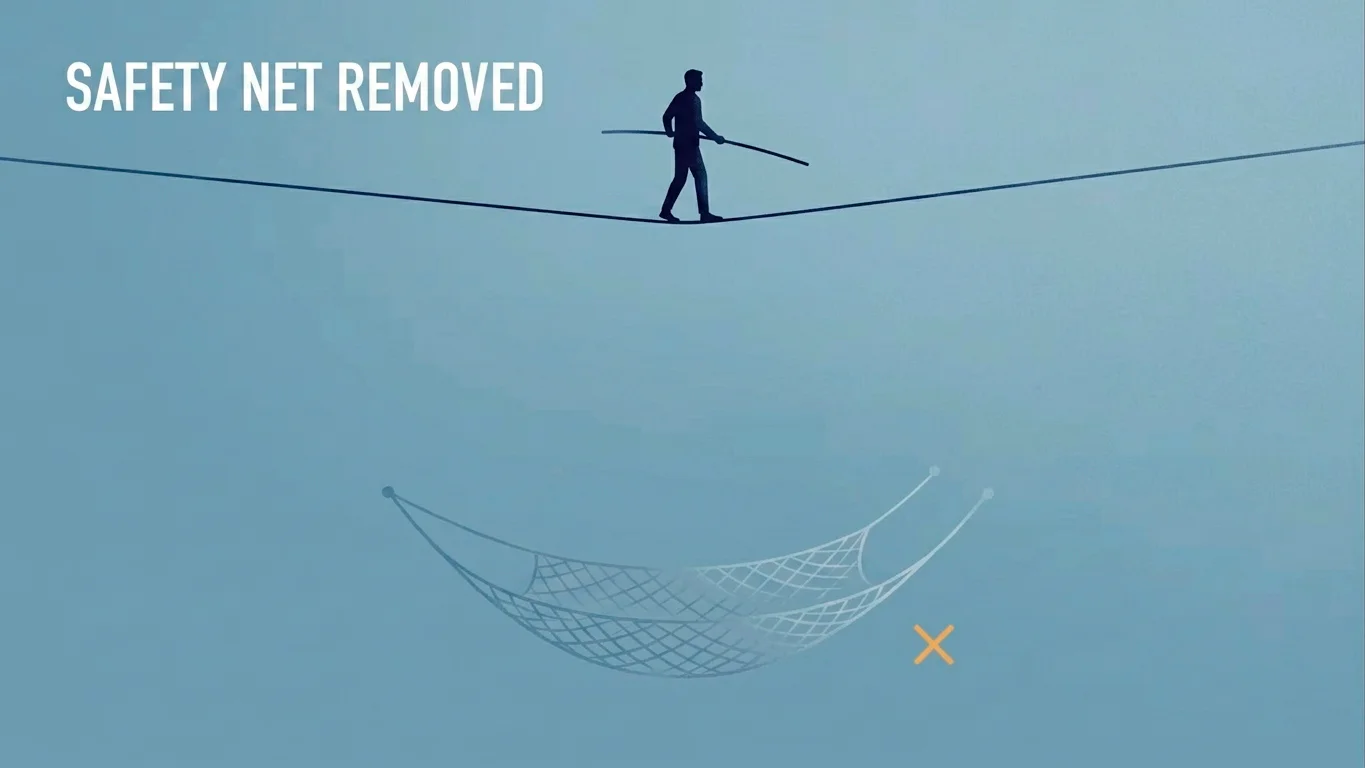
This is the protection that matters most to the people most at risk. UK-licensed sites must apply affordability and financial-risk checks, prompt deposit limits, and – through GamStop – block anyone who has self-excluded.
Offshore, none of that applies. There are no mandatory affordability checks, no required deposit limits, and crucially no GamStop block. For someone who self-excluded during a difficult period, an offshore site removes the single safeguard they deliberately set up – exactly when it is needed most. If that describes you, the honest next step is the page on the safer options and support available right now.
This is the protection whose absence does the most damage, and it is worth being blunt about why. A person sets up GamStop precisely because they expect there to be moments when their own judgement cannot be trusted. The whole value of the tool is that it works when willpower does not. An offshore site is, in effect, a way of disabling that tool at the exact moment it was built for – which is why looking for one in a crisis is a reason to pause and talk to someone, not to push on.
Legal for you, but unprotected
It is important not to confuse “not a crime” with “safe”. For an individual UK player, using an offshore casino is not a criminal offence – the law puts the obligation on operators, not players.
But that permissive status comes with none of the protection UK regulation provides. We unpack this exactly in the page on whether it is the legal but unprotected zone, which sets out where the player stands. The short version: you are allowed to play, and entirely on your own if it goes wrong.
This is the distinction the marketing tends to blur. “Legal” gets used as though it implied “approved” or “safe”, when it only means you personally are not breaking the law by playing. The operator serving you may well be breaking UK law, and the absence of any UK protection sits squarely on you. Reading “legal” as “fine” is one of the easiest and most expensive mistakes in this whole area.
What to do with all this
None of this is meant to frighten you, and none of it is meant to nudge you offshore either. The aim is to make the trade-off visible so you can decide with open eyes.
If you are weighing it up, do the prevention work: read the main non-GamStop guide for the full picture, learn how to spot trouble in our guide to common offshore scams, and if any part of you is looking for a way around a self-exclusion you set, treat that as a signal to reach for support rather than a workaround. The next section of this site is built for exactly that.
A fair way to summarise the whole page: the UKGC system is not perfect, but it gives you somewhere to turn. Offshore, the upside is real but so is the exposure, and the exposure is the part the adverts never mention. Going in with that clearly in mind is the difference between an informed choice and a costly surprise, and it costs nothing to think it through before you deposit.
Support is here whenever you need it
If you self-excluded and are now looking for a way back to gambling, please consider talking to someone first. Help is free, confidential and available at any hour.
Call the National Gambling Helpline, operated by GamCare, on 0808 8020 133 (free, confidential, 24/7), or use the live chat at gamcare.org.uk. You will find information, tools and a service finder at gambleaware.org. You must be 18+ to gamble.
The full picture is in our guide to casinos not on GamStop.
The legal side is separate: is it legal to play?