Curaçao, Malta, Anjouan: Offshore Casino Licences Compared
 Available in GB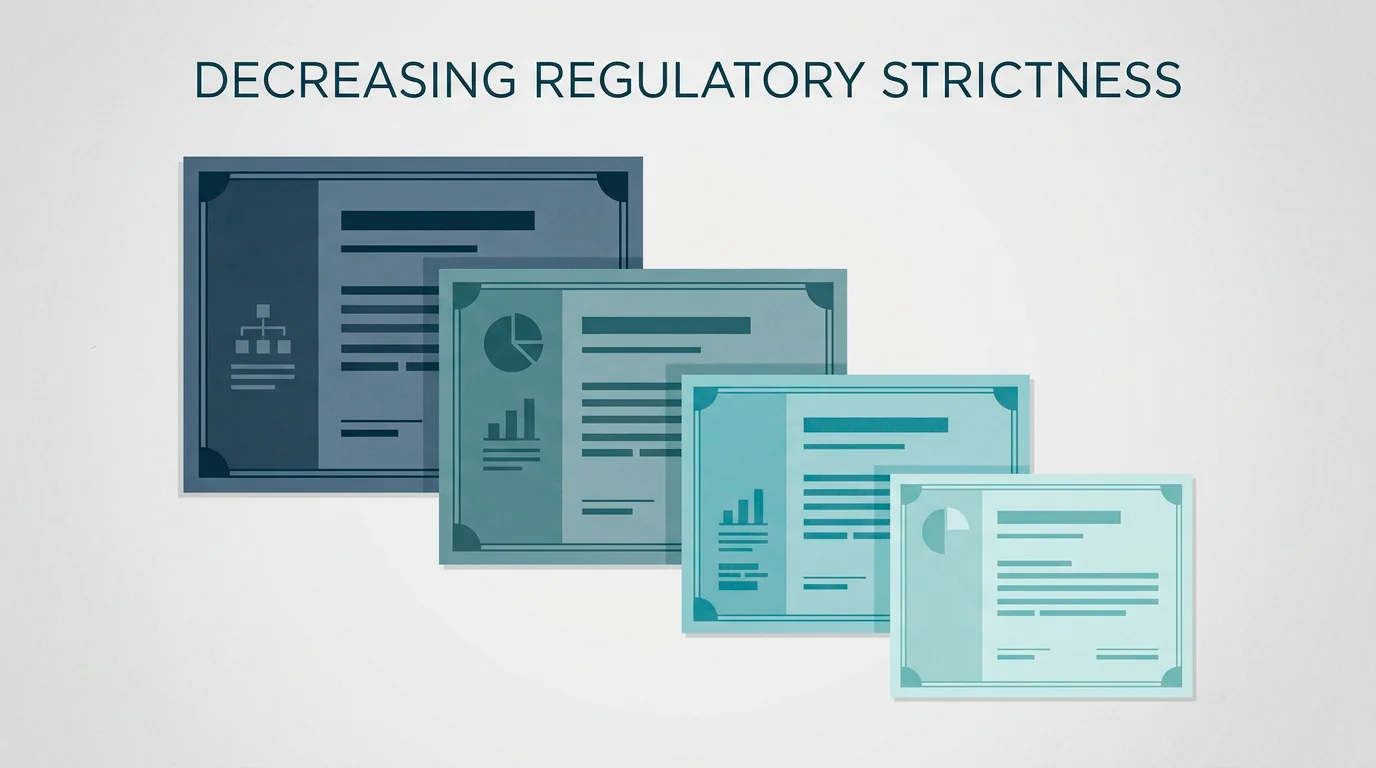
By , Gambling Regulation Analyst – about 8 min read
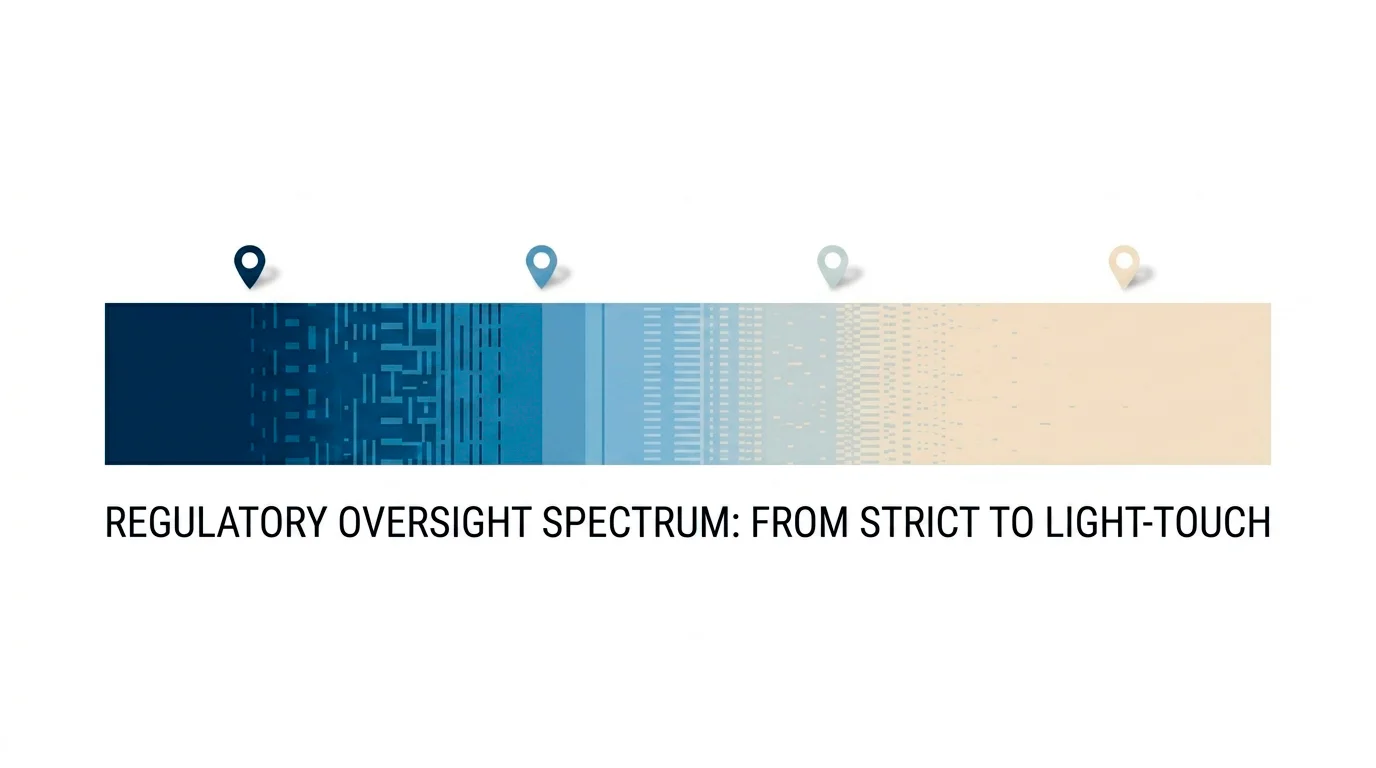
When a casino is not on GamStop, the only thing standing between you and the operator is whatever offshore licence it holds. Those licences are not interchangeable, and the difference between the strongest and the weakest is the difference between having somewhere to complain and having nowhere at all. This page ranks the ones UK players meet most often by how strict the oversight really is, and explains why the strictness is a signal of protection rather than a promise of it.
Table of Contents
- Strictness is a proxy for protection, not a guarantee
- Malta sits at the strict end
- Gibraltar and the Isle of Man are reputable but less common
- Curaçao is the most common licence, and it has just changed
- Anjouan is the cheapest and the lightest touch
- A quick word on Costa Rica
- How to actually use this ranking
- Support if you need a break
Strictness is a proxy for protection, not a guarantee
A licence tells you which rulebook an operator agreed to follow and which regulator can act if it does not. A demanding regulator typically requires segregated player funds, real complaints handling and responsible-gambling tools; a light-touch one asks for far less and rarely enforces.
The useful comparison, then, is the gap between what a regulator promises on paper and what it actually does in practice. The UK Gambling Commission sits at one end of that scale, publishing its rules and a searchable register at gamblingcommission.gov.uk; the offshore jurisdictions below range from fairly close to it down to barely present. None of the offshore options reach UKGC standards, which is the whole reason this category exists.
So the jurisdiction is a useful first filter. It is not the last word, because a strong licence on paper cannot save you from a badly run brand, and a single licence number proves nothing until you check it. For the wider picture of how offshore casinos work and why GamStop never touches them, start with the section overview.
Malta sits at the strict end
The Malta Gaming Authority (MGA) is the most respected of the offshore options British players regularly encounter. As an EU regulator, it operates closer to EU-grade oversight, with established rules on player funds, advertising and complaints, and a public register you can search.
An MGA licence is meaningfully more reassuring than the lighter options below it. It is still not the UKGC, though: there is no GamStop coverage, no UK-approved dispute resolution and no UK fund-protection guarantee. Better is not the same as protected.
Where an MGA licence does help is that the regulator can be contacted, has a published complaints process, and has historically been willing to act against licensees. If you are going to play offshore at all, a Malta licence is the version of that decision with the most institutional weight behind it – which is also why genuine MGA sites tend to apply firmer identity and affordability checks than the bargain end of the market, something to weigh against the appeal of looser limits.
Gibraltar and the Isle of Man are reputable but less common
Gibraltar and the Isle of Man are long-established, well-regarded jurisdictions with serious operators and a track record. They tend to license larger, compliance-minded companies rather than the cheap end of the market, and both have decades of regulatory history behind them.
That is also why you see them less often on bargain-basement non-GamStop sites: they are not the path of least resistance for an operator chasing low cost and fast approval. Where you do find them, they generally sit a step below Malta but well above the lighter jurisdictions.
Curaçao is the most common licence, and it has just changed
Curaçao is by far the licence you will meet most on non-GamStop sites. Its regime was overhauled by the National Ordinance on Games of Chance – the LOK, from its Dutch name – which the Curaçao parliament approved on 17 December 2024 and which came into force on 24 December 2024.
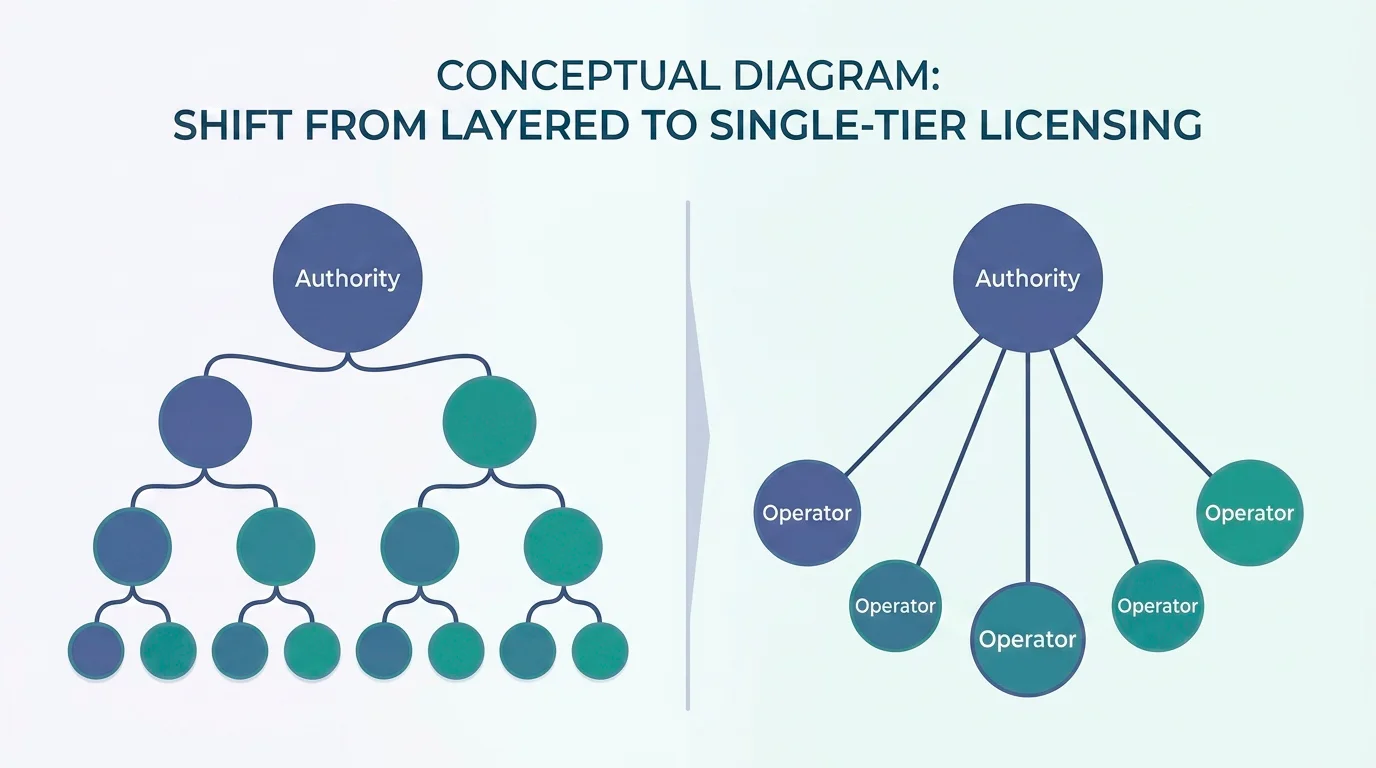
The reform scrapped the old master-licence and sub-licence model, under which a handful of master holders resold licences to hundreds of operators, and replaced it with direct single-tier licensing issued by the new Curaçao Gaming Authority (CGA). On paper this is a tightening, with more direct supervision and AML obligations.
In practice, as of early 2026 the regime is still settling. Many operators are moving from provisional to full licences, and there is little public enforcement history to judge it by yet. A provisional licence is not the same as a fully vetted one, so two sites both claiming to be “Curaçao licensed” can be at very different stages of scrutiny. Historically, the older Curaçao eGaming system, dating back to 1996, had a weak reputation for resolving disputes, and legacy sub-licences – for example those issued under Antillephone N.V., with numbers in the familiar 8048/JAZ format – are still widely referenced even though they may not reflect an operator’s current status under the LOK.
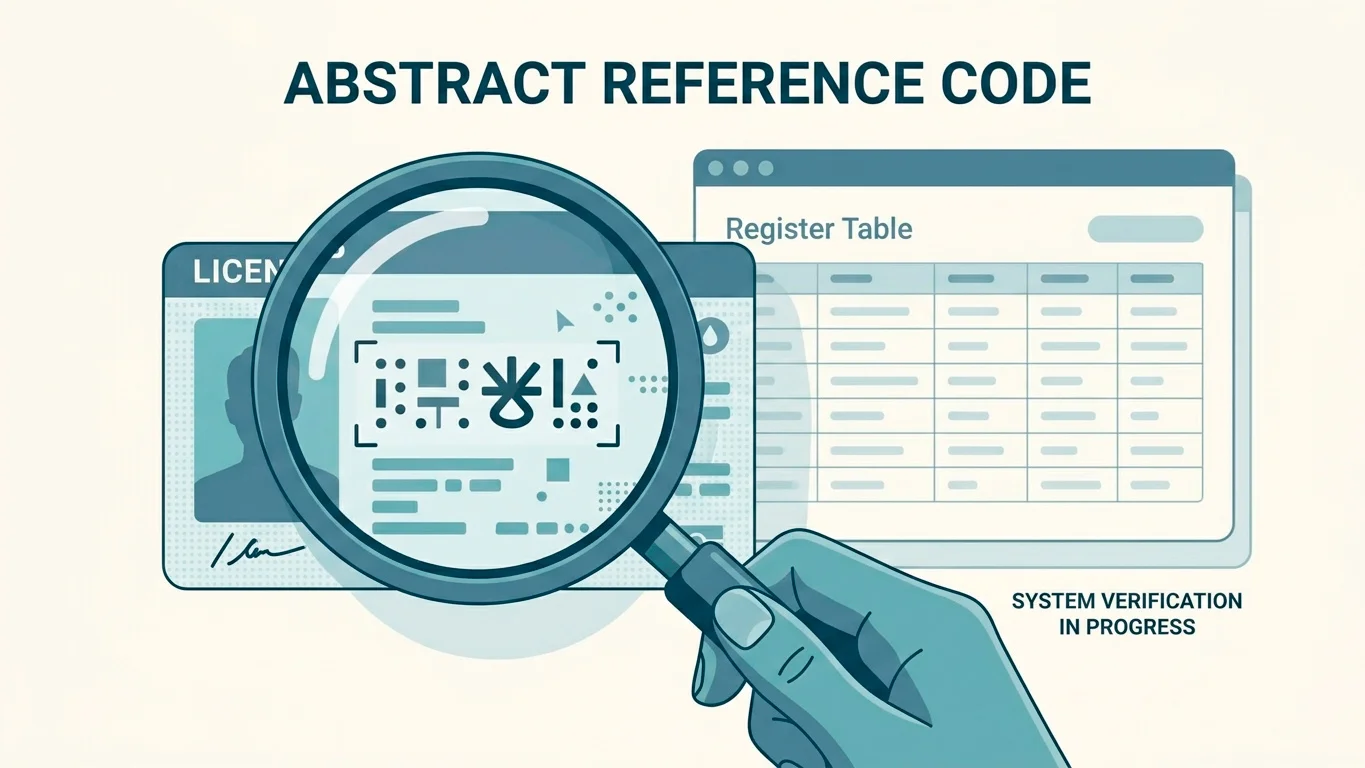
Because the regime is mid-transition, a Curaçao number on a footer is exactly the kind of claim you should verify directly. Our guide to verifying a licence number shows how to check it on the register rather than taking the seal at face value. You can confirm the existence of the UK’s own framework, used here only as a contrast, on the official text at legislation.gov.uk.
Anjouan is the cheapest and the lightest touch
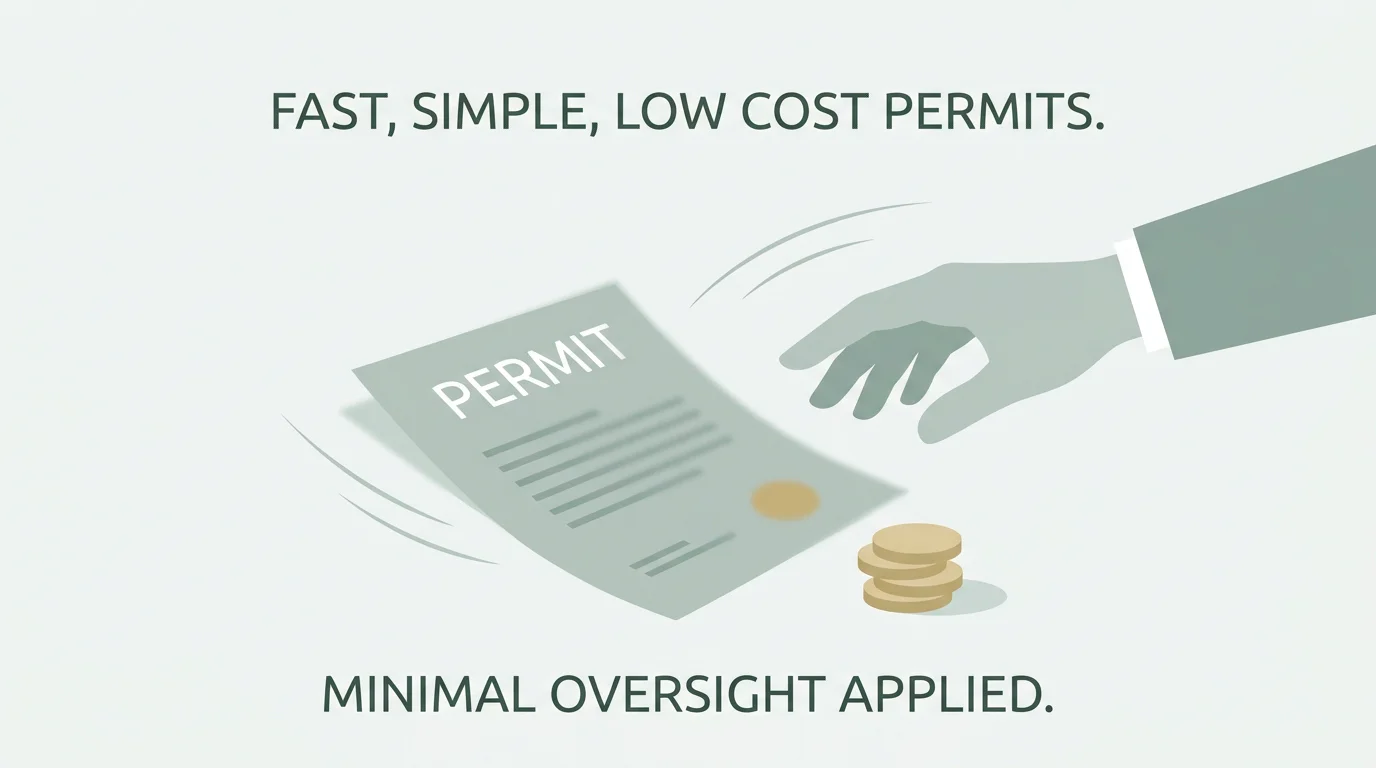
Anjouan, part of the Comoros, is a newer entrant that grew quickly after the Curaçao reforms began. It is cheap and fast: reports put the licence cost at around EUR 17,000, with no gross gaming revenue tax and a turnaround of roughly two to four weeks.
That low barrier is its whole appeal to operators, and it is precisely why it has become popular with crypto-first sites and why it sits at the lightest end of oversight. An Anjouan licence does not, on its own, tell you much about how an operator will treat a disputed withdrawal. Treat it as the jurisdiction that needs the most additional due diligence, not the least.
The practical risk with the lightest jurisdictions is not always outright fraud. It is the absence of anyone with the will or the power to intervene when a withdrawal is delayed, a bonus term is read against you, or an account is frozen. With Malta you at least have a regulator to escalate to; with the lightest licences, escalation often means writing to an inbox that may never reply.
A quick word on Costa Rica
You will see “Costa Rica licensed” used as if it were a regulatory badge. It is not. Costa Rica does not issue gambling licences at all; operators simply incorporate there and run under a general business registration. If a casino leans on Costa Rica as its credential, treat that as the absence of a gambling regulator rather than the presence of one. The same caution applies to any badge you cannot trace back to a named regulator with a public register – an emblem in a footer is a design choice, not proof of supervision.
How to actually use this ranking
Read the jurisdiction as a starting hypothesis about the likely level of protection, then test it properly. A Malta licence earns more initial trust than an Anjouan one, but every licence claim still needs checking against the regulator’s own register, and the strength of the licence says nothing about payout reliability on its own.
As a quick mental shorthand for the jurisdictions on this page:
- Malta (MGA): strictest of the offshore set, EU-grade rules, a real complaints route – but still no UKGC protection.
- Gibraltar and Isle of Man: reputable and established, less common on cheap non-GamStop sites, a step below Malta.
- Curaçao (CGA, post-LOK): by far the most common, mid-transition since 24 December 2024, limited public enforcement history so far.
- Anjouan: cheapest and lightest, popular with crypto sites, needs the most extra due diligence.
The two things to pair with this page are verification and money. Learn how to check a licence on the register before you deposit, and read up on offshore payment methods, since crypto and e-wallet options are where weak jurisdictions and withheld withdrawals tend to collide. For the bigger picture of what weaker licences mean for safety, the risks page lays out everything that falls away outside the UKGC.
If you would rather step back entirely, the non-GamStop overview sets all of this in context and links to the responsible-gambling support that matters most.
Support if you need a break
Comparing licences is sensible due diligence. If gambling itself has started to feel like a problem, free and confidential help is a quicker call than any licence check.
The National Gambling Helpline, operated by GamCare, is on 0808 8020 133 (free, confidential, 24/7), with live chat at gamcare.org.uk. Information, tools and a service finder are at gambleaware.org. You must be 18+ to gamble.
The full picture is in our guide to casinos not on GamStop.
Checking a licence on the register: the verification steps.