Payments and ID Checks at Casinos Not on GamStop
 Available in GB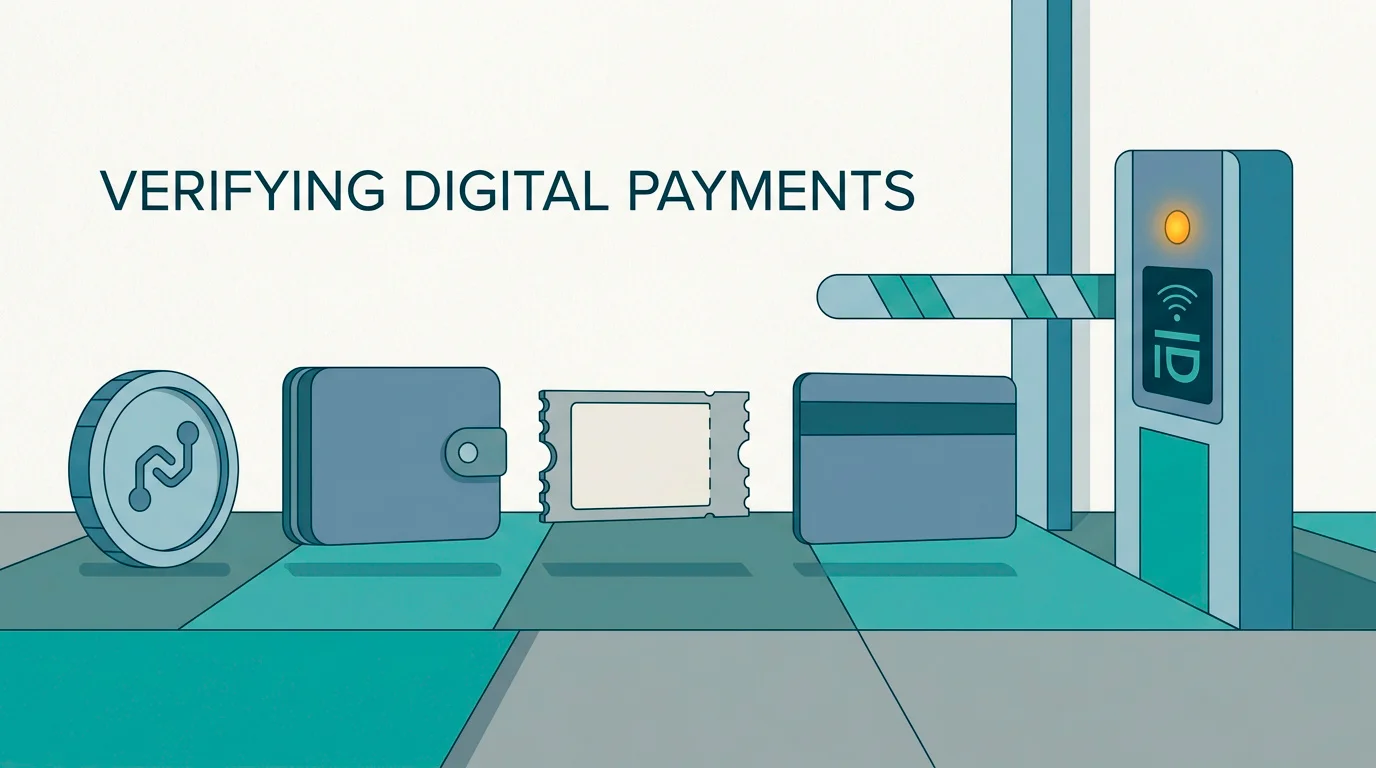
By , Gambling Regulation Analyst – about 8 min read
The phrase that sells non-GamStop casinos hardest is “no verification”. It is also the one most likely to cost you. Sign-up is often quick, but the identity checks usually arrive at the worst possible moment – when you try to withdraw a win. This page explains the payment methods you will actually meet, the two myths that trip British players up, and why “no KYC” is largely a marketing line rather than a promise.
Table of Contents
- The payment methods you will actually see
- Two myths to clear up first: PayPal and credit cards
- Why “no verification” is almost always a myth
- How KYC at withdrawal becomes a payout-denial tactic
- Why crypto makes recovery so hard
- Telling a fair check from an unfair one
- Sensible habits before you move money
- If chasing a withdrawal is part of a bigger problem
The payment methods you will actually see
Offshore casinos lean on payment rails that are fast, hard to reverse and often outside the normal banking system. In rough order of how prominent they are:
Cryptocurrencies
Bitcoin, Ethereum, Litecoin and Tether (USDT) dominate. They are fast, borderless and, crucially for the operator, very hard to claw back.
E-wallets
Skrill, Neteller, MiFinity and Jeton appear frequently as a middle ground between cards and crypto.
Prepaid options
Neosurf and paysafecard let players fund an account without exposing a bank directly.
Cards
Visa and Mastercard debit cards work where the player’s bank allows it, though many UK banks block or flag gambling transactions to unlicensed sites.
This mix is no accident. The methods that dominate are precisely the ones that make a refund or chargeback difficult, which matters a great deal when a dispute arises.
It is also worth knowing what your own bank may do. Many UK banks now let customers switch on a gambling block, and some automatically flag or decline payments to merchants they identify as unlicensed gambling sites. A declined card is not always the casino’s fault – it can be your bank applying exactly the kind of friction the offshore model is designed to avoid. To understand why a weak licence behind these rails compounds the risk, see how the jurisdictions compare.
Two myths to clear up first: PayPal and credit cards
A lot of search results promise PayPal at non-GamStop casinos. In practice, PayPal is almost exclusively a UKGC-market payment method. You will rarely find it on a genuine offshore site, and a casino loudly advertising PayPal is a reason to look harder, not to relax.
The second myth is more important. Credit cards cannot lawfully be used for gambling by anyone in Great Britain. The UK Gambling Commission banned credit-card gambling from 14 April 2020, across online and offline play, with only non-remote lotteries excepted. The same measure extended to using e-wallets to route credit-card money into gambling.
So if an offshore site happily takes your UK credit card for casino play, that is not a perk – it is a sign the operator is ignoring rules a UK-regulated business must follow. You can read the Commission’s remit and consumer guidance at gamblingcommission.gov.uk, and broader government guidance at gov.uk.
Why “no verification” is almost always a myth
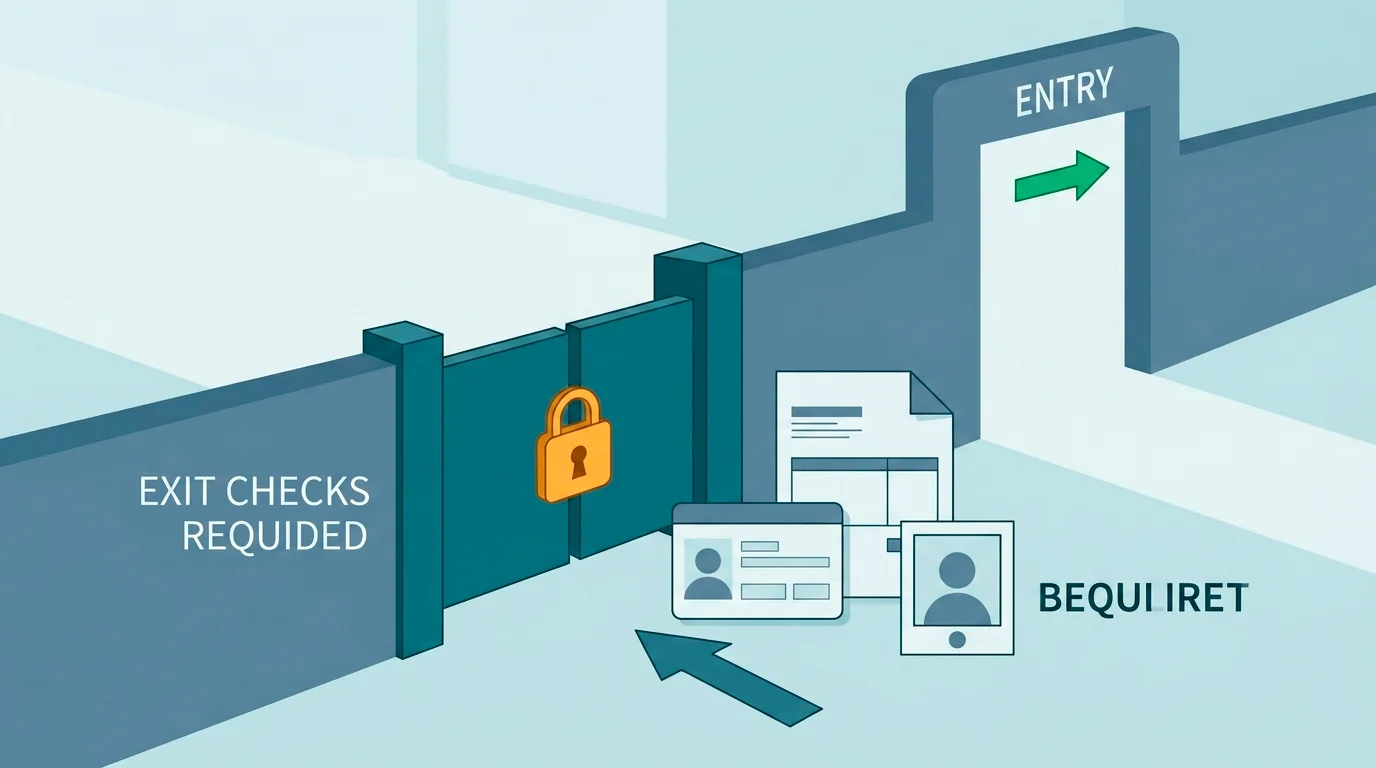
The “no KYC” promise usually describes the front door, not the whole house. Many offshore sites let you register and deposit with minimal detail, which feels like freedom. The catch is that the real identity check – know your customer, or KYC – is held back until you try to take money out.
At that point the operator can demand documents: photo ID, proof of address, proof of payment method, sometimes a selfie. There is nothing inherently wrong with KYC; UKGC sites do it too, and it exists partly to prevent money laundering and underage play. The difference offshore is that there is often no regulator forcing the process to be fair, fast or consistent.
It is worth being precise about what “no verification” usually means in the small print. It tends to mean no verification to open an account or to deposit – the stage where the operator wants your money flowing in with as little friction as possible. The genuinely document-free withdrawal of a real win is far rarer than the marketing implies, and any site promising it should be treated with extra suspicion rather than less.
How KYC at withdrawal becomes a payout-denial tactic
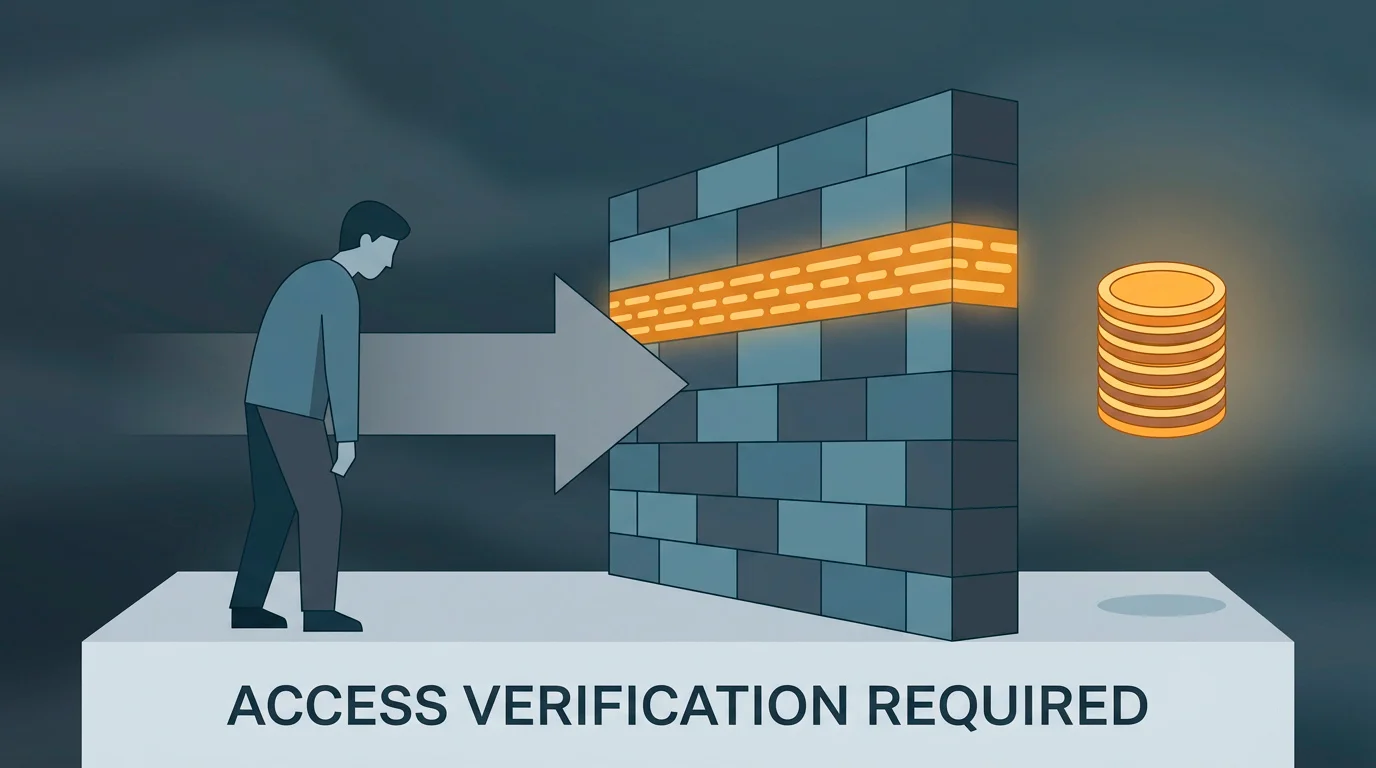
Here is the pattern reported again and again. You sign up easily, deposit, play and win. The moment you request a withdrawal, a verification wall appears – and it can be used to delay, frustrate or refuse the payout entirely.
The tactics vary: repeated requests for slightly different documents, claims that a file was unreadable, sudden allegations of “bonus abuse” that void the balance, or simply long silences. Because there is no UK dispute body to escalate to, you have little leverage. This is one of the recurring mechanics in our guide to withdrawal-denial tactics and red flags.
None of this means every offshore site behaves this way. But the structure – easy in, hard out – is built into a market where the operator controls verification and no regulator polices it. Plan for it rather than hoping you have found the exception, and treat a smooth first withdrawal as encouraging rather than conclusive, since some sites pay small amounts readily and only resist on larger wins.
Why crypto makes recovery so hard
Crypto is marketed on anonymity, speed and resistance to chargebacks. Those exact qualities are what make it dangerous when a deal goes wrong.
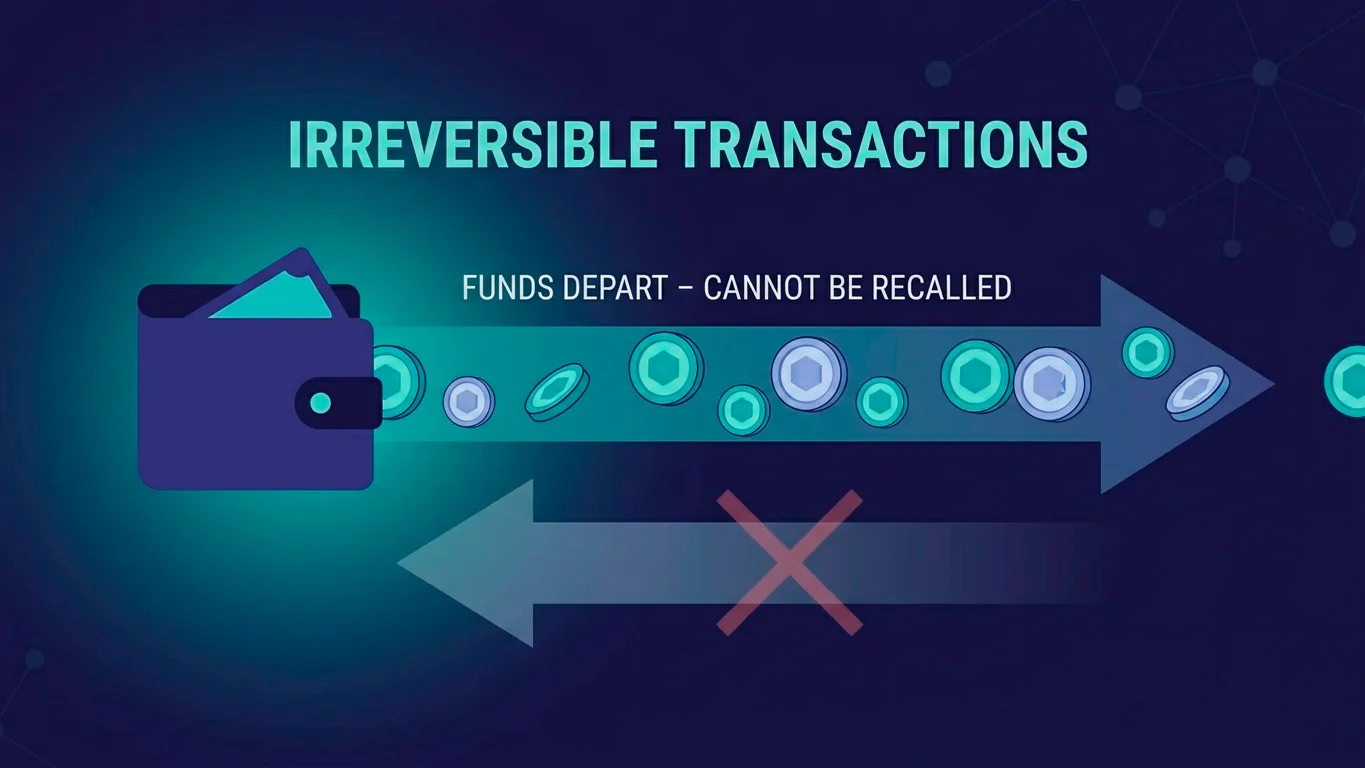
With a card payment, a bank can sometimes reverse a transaction. With crypto, once the funds leave your wallet they are effectively gone, and there is no intermediary to appeal to. The feature that feels like freedom on the way in is the same feature that removes your safety net on the way out.
There is also a volatility angle that rarely gets mentioned in the marketing. If you deposit in a coin whose value swings, the amount you can actually withdraw may differ from what you put in, and some sites convert to an internal balance at rates you do not control. Stablecoins like Tether reduce that particular risk, but they do nothing to restore the chargeback protection you have given up.
This is why the appeal of “fast, private, no questions” deserves real scepticism. The wider context of why UK rules tightened helps explain why these payment models grew, and our overview of how offshore operators work sets them in their licensing context.
Telling a fair check from an unfair one
Not every verification request is a scam. A legitimate operator asks for clear, standard documents once, gives a realistic timeframe, and pays out promptly when you pass. The warning signs are different in character.
Watch for requests that keep moving the goalposts – a new document each time you satisfy the last one – or vague rejections such as “image not clear” with no detail. Be wary of verification that only appears after a win, of demands for unusual documents a bank would never ask for, and of support that goes quiet the moment money is at stake. A maximum-cashout clause buried in the bonus terms can also turn a large win into a small payout entirely legally, which is why reading those terms in advance matters so much.
The honest summary is that a fair process is boring and predictable. If yours feels like a moving target, that is information, not bad luck, and it is usually a cue to stop sending more money rather than to keep trying.
Sensible habits before you move money
If you do play offshore, a few habits reduce the chance of an unpleasant surprise at withdrawal.
- Complete identity verification before you deposit, not after. If a site will not verify you up front, that tells you how withdrawals will go.
- Read the withdrawal and bonus terms in full and screenshot them, including any maximum cashout or wagering rules.
- Check the licence first. Our step-by-step guide to verify the licence first shows how to confirm an operator on the regulator’s register.
- Prefer reversible funding where possible, and treat any pressure to use only obscure crypto wallets as a warning sign.
If money has started to feel like the only reason you are still playing, that is worth pausing on. Chasing a stuck withdrawal can quietly become its own trap, pulling more deposits after the first. The main non-GamStop guide links to support, and there is no shame in stepping back.
If chasing a withdrawal is part of a bigger problem
Disputes over money can be a sign that gambling has stopped being fun. Free, confidential help is available around the clock.
Call the National Gambling Helpline, run by GamCare, on 0808 8020 133 (free, confidential, 24/7), or use the live chat at gamcare.org.uk. You will find tools and a service finder at gambleaware.org. You must be 18+ to gamble.
The full picture is in our guide to casinos not on GamStop.
Withheld payouts are a known pattern: the common scams.