How to Check an Offshore Casino Licence Before You Deposit
 Available in GB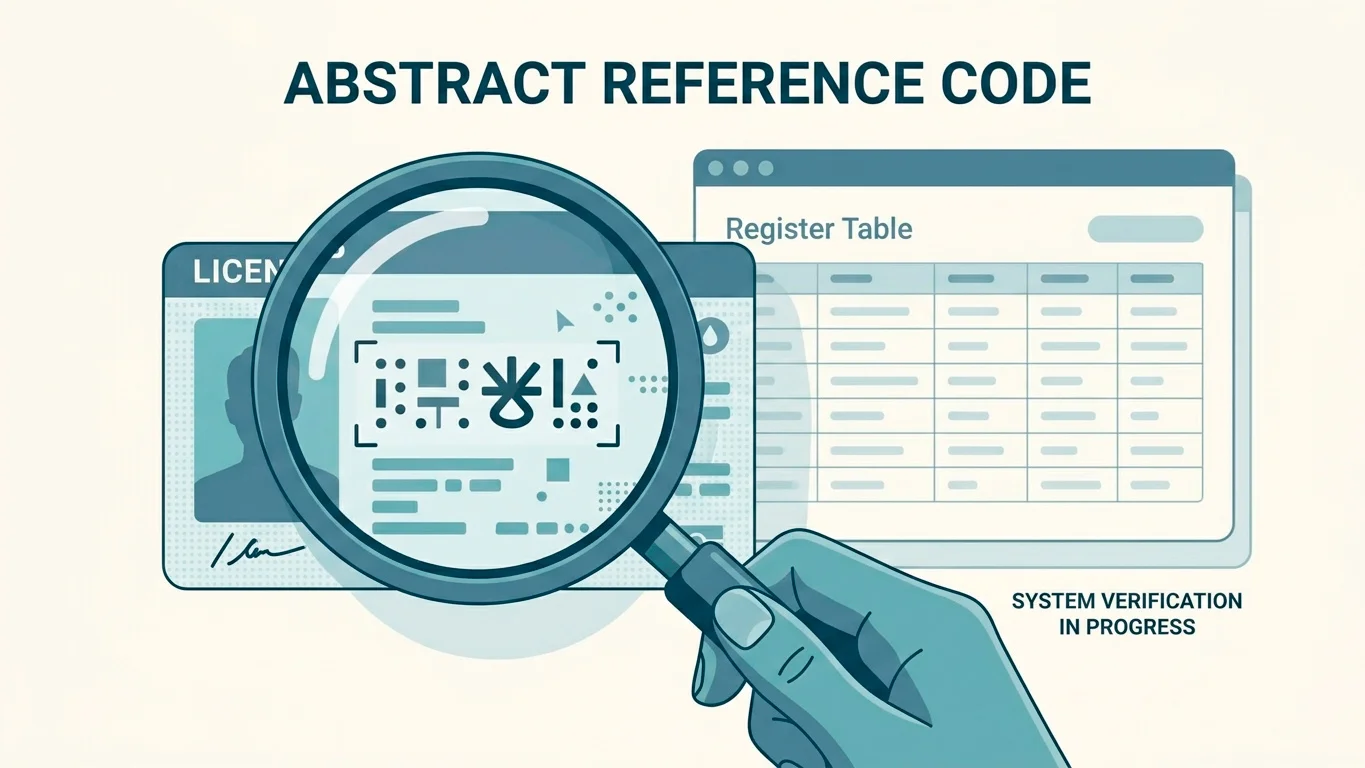
By , Gambling Regulation Analyst – about 7 min read
A licence logo in a casino footer proves almost nothing. Anyone can paste an image, and at the lighter end of this market plenty of operators do exactly that. The only check that counts is finding the operator on the regulator’s own public register and matching the details. This guide walks through that process step by step, so you can do it in a few minutes before you ever deposit.
Trust the register, never the footer
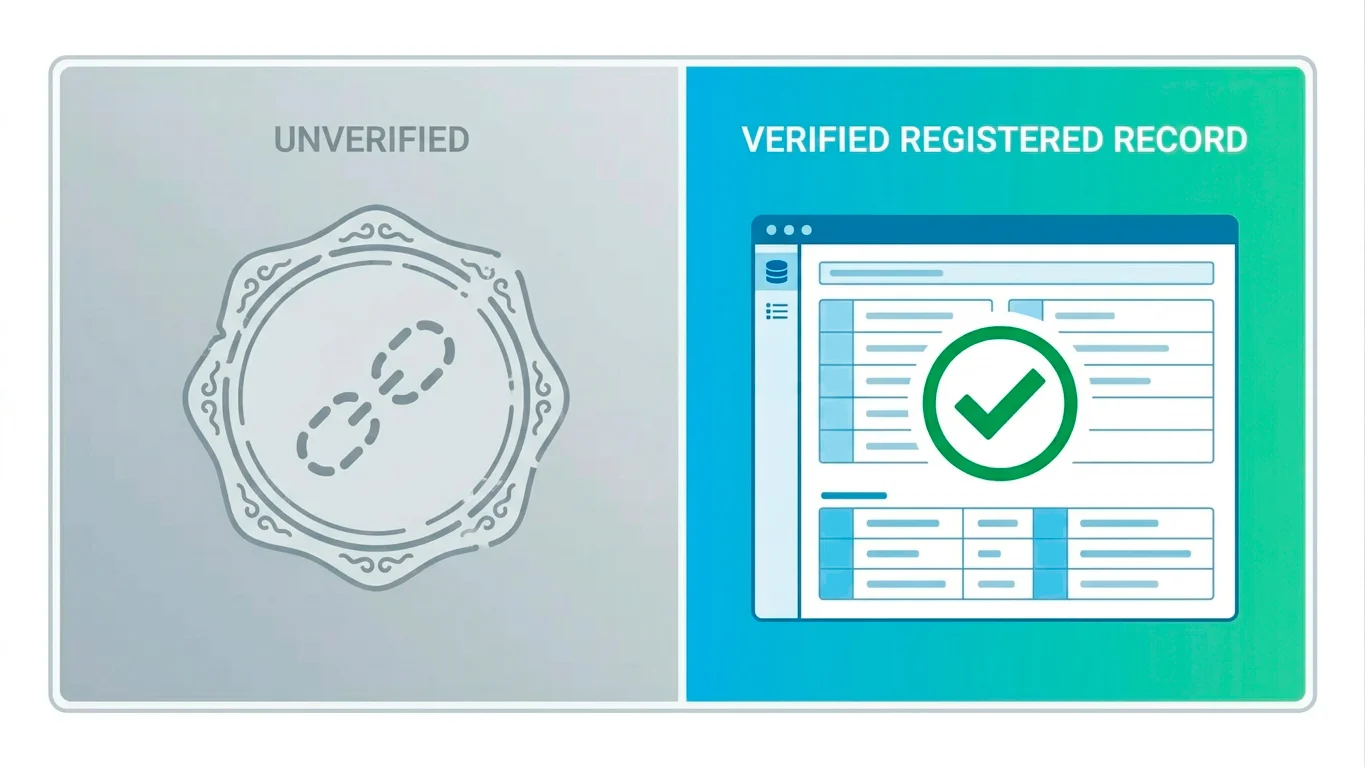
The single rule that underpins everything here: verify a licence on the regulator’s own database, not on the casino’s word. A seal in the footer is a marketing asset the operator controls; the regulator’s register is the one source the operator cannot edit.
This matters more offshore than anywhere, because the lighter jurisdictions attach far less consequence to a false claim. A UKGC operator that misrepresented its licence would face a regulator with real teeth; a site licensed in the lightest offshore jurisdiction may face nobody at all. That asymmetry is exactly why you have to do the checking yourself rather than relying on anyone to have done it for you.
If you are still deciding whether a given licence is worth much in the first place, our breakdown of which jurisdictions to expect ranks them by strictness.
The check, step by step
The process is the same whatever the jurisdiction. Work through it in order and stop at the first step that fails.
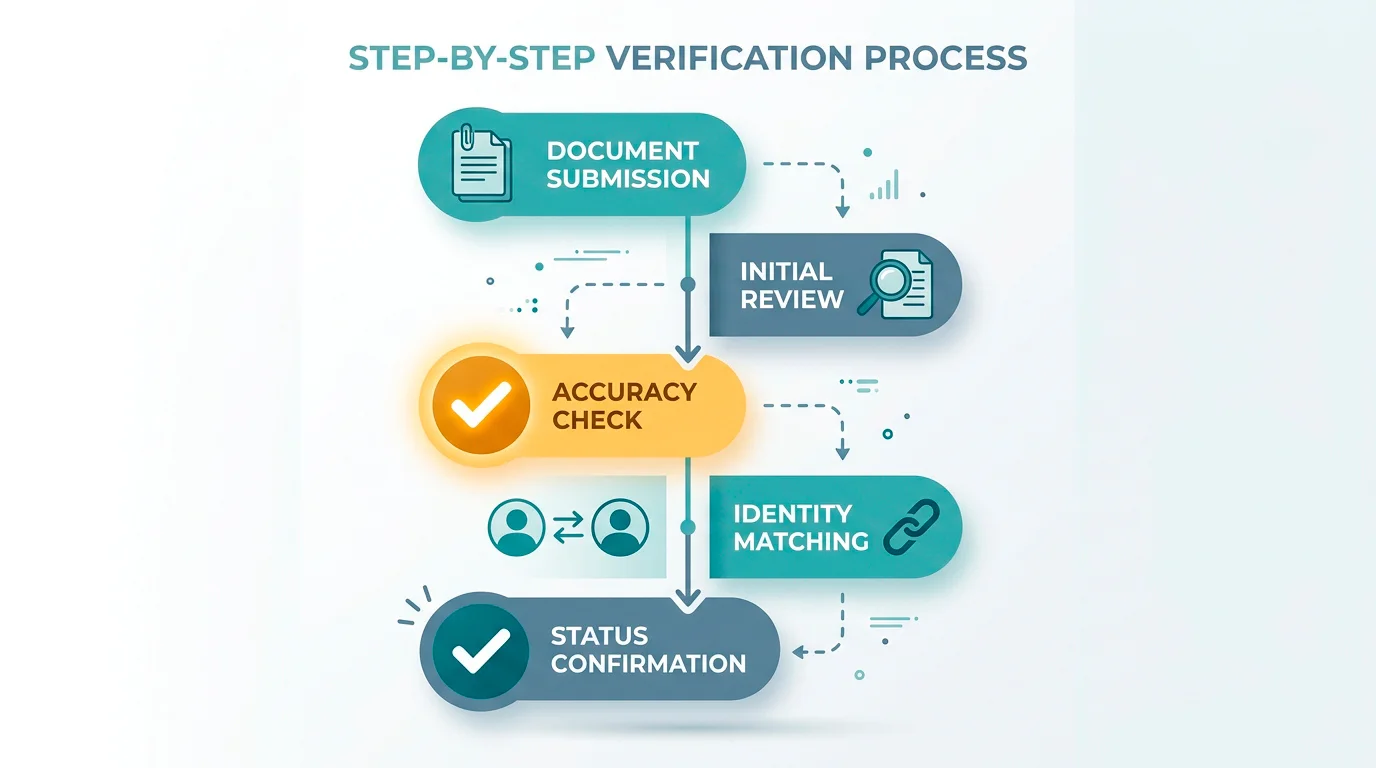
- Find the claimed regulator and licence number. These are usually at the foot of the casino’s pages. Note the exact regulator name (for example the Malta Gaming Authority or the Curaçao Gaming Authority) and the full licence number.
- Open the regulator’s own register directly. Type the regulator’s official address into your browser yourself rather than clicking the footer seal, which may simply be an image linking nowhere or to a lookalike page.
- Search for the operator or licence number. Enter the number or the company name and see whether a record actually appears.
- Match the legal entity and the domains. Check that the company named on the register is the one running the site, and that the website domain you are on is listed against that licence. Mismatches are a red flag.
- Confirm the status is current. A record that is expired, suspended or provisional does not give you the protection an active full licence would.
If the licence does not appear, the details do not match, or the status is not clearly active, treat the claim as unproven and walk away. There is no step six that rescues a failed check.
A few practical notes make the steps easier. Regulator registers are sometimes slow or awkward to search, so try both the company name and the licence number, and be patient with spelling and spacing. The legal entity on the register is often a holding company rather than the brand name on the site, which is normal; what matters is that the chain links up and that your actual playing domain is listed. If you cannot tie the brand, the company and the domain together, the licence may belong to a different operation entirely.
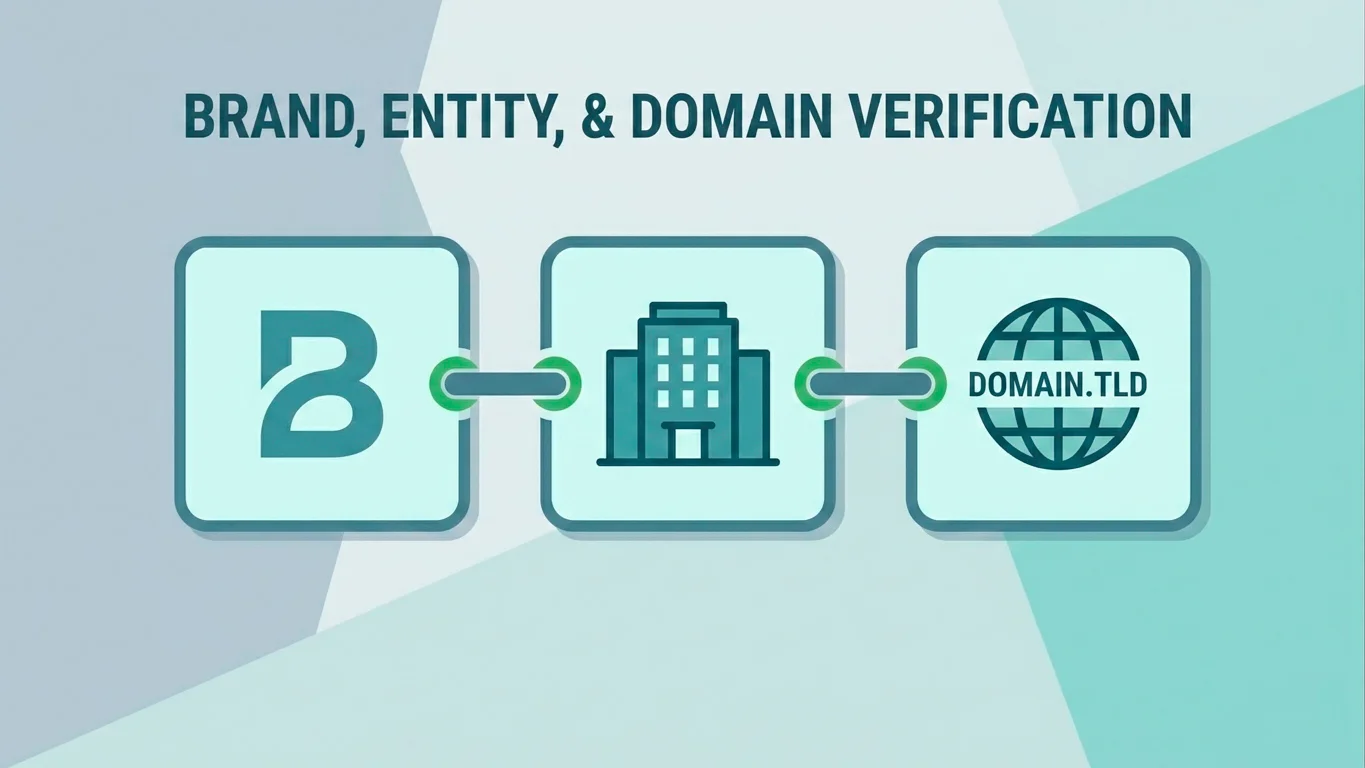
How fake and cloned seals work
Cloned licence seals are one of the most common tricks at the lighter end of the market. The badge looks official, but clicking it leads nowhere, or to a certificate page hosted on the casino’s own domain rather than the regulator’s.
A genuine seal should take you to the regulator’s site and a record that matches the operator. If the link is dead, points back to the casino, or shows a certificate with no searchable entry behind it, the seal is decorative at best.
The same goes for screenshots of certificates pasted into “about” pages, and for PDF licences emailed by support. A document can be edited or simply invented; only a live entry on the regulator’s database counts. When in doubt, ignore everything the operator shows you and go straight to the source. This is the same family of problems covered in our guide to fake licence seals and red flags.

A specific note on Curaçao numbers
Curaçao deserves its own warning because its system changed recently. The National Ordinance on Games of Chance came into force on 24 December 2024, moving licensing to the new Curaçao Gaming Authority and ending the old master-licence model.
That means legacy numbers in the old 8048/JAZ format, issued under sub-licensors such as Antillephone N.V., may no longer reflect an operator’s current standing. Seeing one of those numbers is not proof of an active, valid licence under the new regime, so check the current register rather than assuming an old badge still holds.
Until the transition fully settles, expect some uncertainty: an operator might be running on a provisional licence, mid-conversion, or still displaying an old reference out of habit. None of that is automatically sinister, but it does mean a Curaçao badge carries less assurance than it once appeared to, and it is worth treating any Curaçao claim as a prompt to look harder rather than a reason to relax.
Use the UKGC register as your benchmark
If you want to see what proper, checkable licensing looks like, the UK Gambling Commission runs a public register of every licensed operator. You can look up a company, see its licence status and check the domains it is permitted to run.
It is worth doing this once even if you never intend to use a UKGC site, simply to calibrate your eye. Compare the clean, searchable UKGC record at gamblingcommission.gov.uk with what an offshore regulator offers, and the gaps become obvious. The legal framework that underpins that register is the Gambling Act 2005, available in full at legislation.gov.uk. The contrast is the point: a UKGC entry is unambiguous, while a weak offshore record may be thin or hard to find.
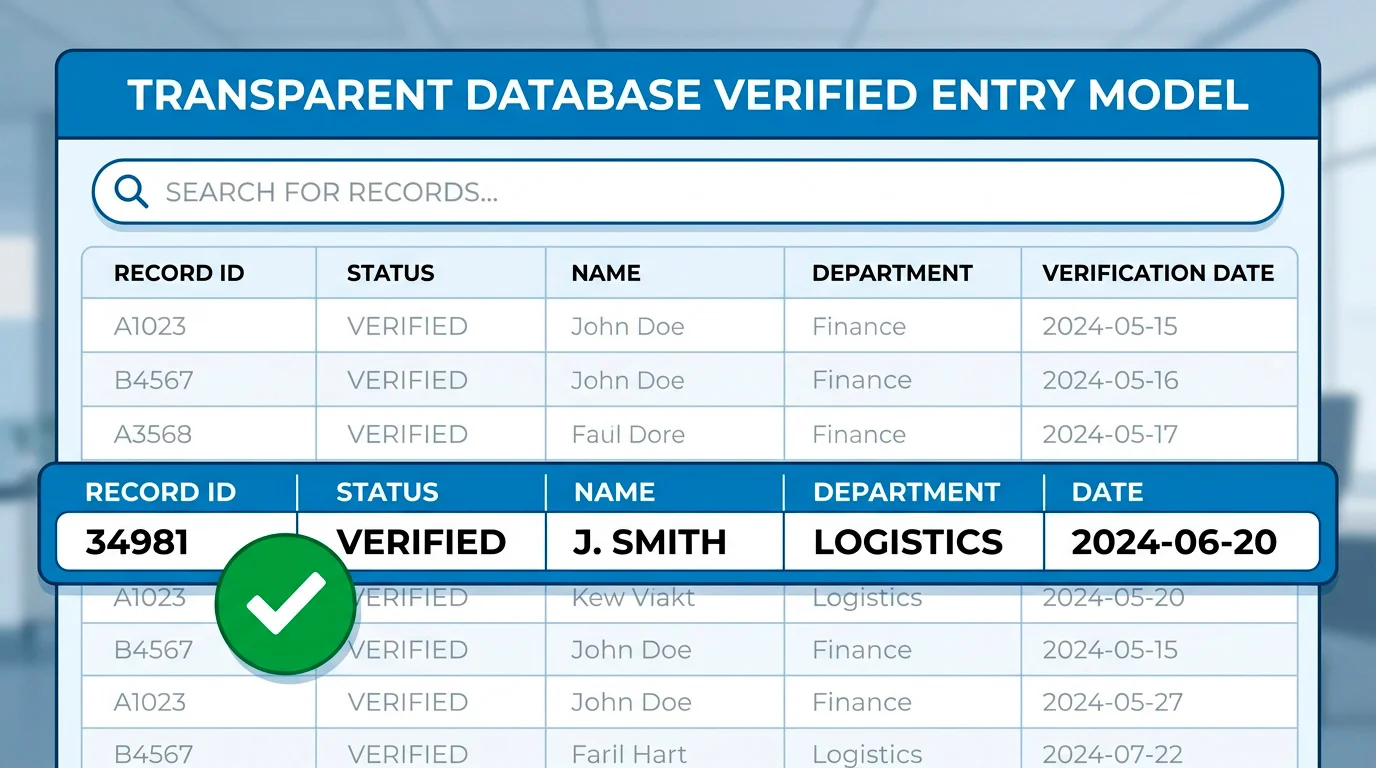
Checks worth doing beyond the licence
A valid licence is necessary but not sufficient. A few more habits round out sensible due diligence before you deposit.
- Read the bonus and withdrawal terms in full, and screenshot them. Terms can change, and a saved copy is your evidence if a dispute follows.
- Check long-standing independent player communities for the operator’s payout history, rather than its own testimonials.
- Treat missing safer-gambling tools as a warning sign. A site that offers no voluntary deposit limits or self-exclusion options is telling you something about its priorities.
Do all of this before you deposit, not after. The moment you have money on a site, your leverage drops sharply, and a withdrawal dispute is far harder to win than a deposit you simply never made. A few minutes of checking up front is the cheapest insurance available in this market.
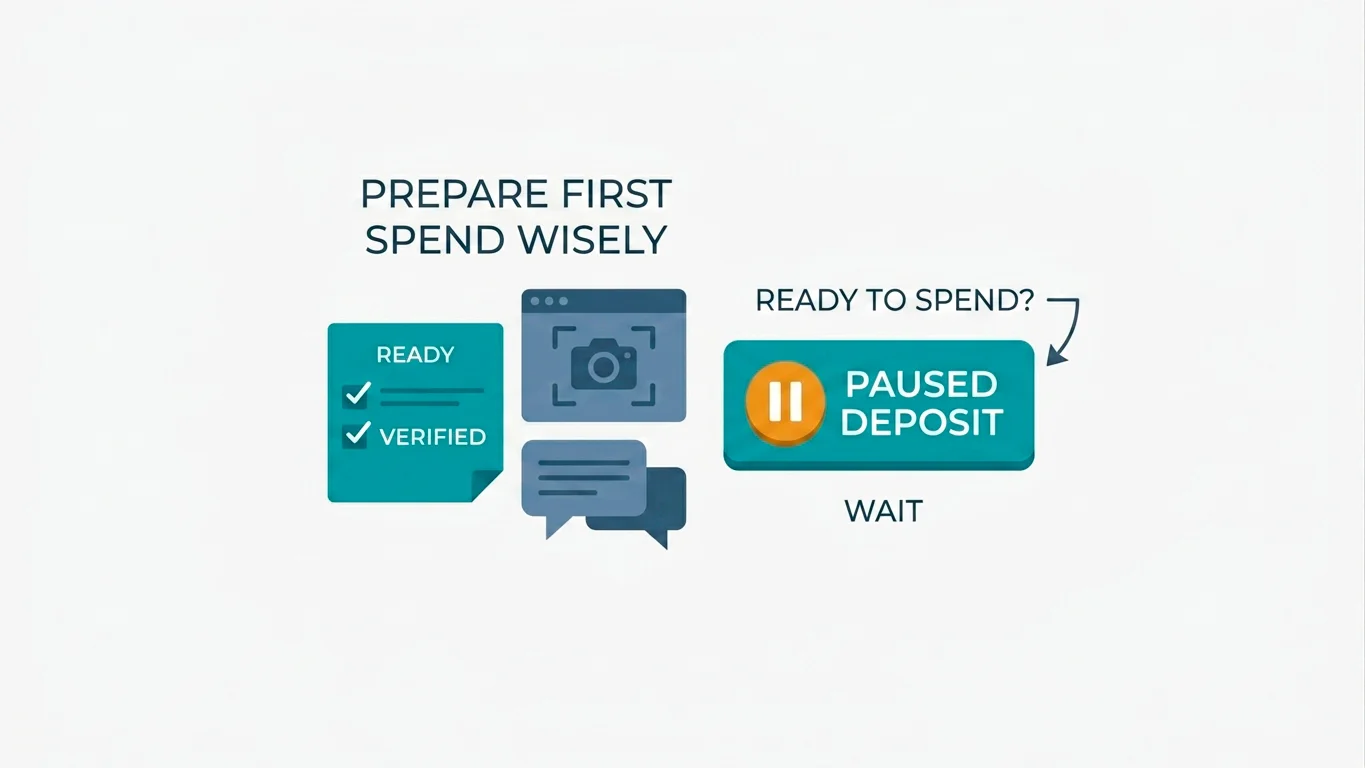
Money is where most disputes actually happen, so it pays to understand what happens at withdrawal before you put anything in. For the wider context on how offshore operators work, the section overview ties it together, and the main non-GamStop guide sets the whole topic in plain English.
Help is available
Due diligence is about protecting your money. If gambling itself has become hard to control, support is free, confidential and available at any hour.
Call the National Gambling Helpline, run by GamCare, on 0808 8020 133 (free, confidential, 24/7), or use the live chat at gamcare.org.uk. Tools and a service finder are at gambleaware.org. You must be 18+ to gamble.
The full picture is in our guide to casinos not on GamStop.
What each regulator actually requires: the licences compared.