
Common Offshore Casino Scams and How to Spot Them
 Available in GB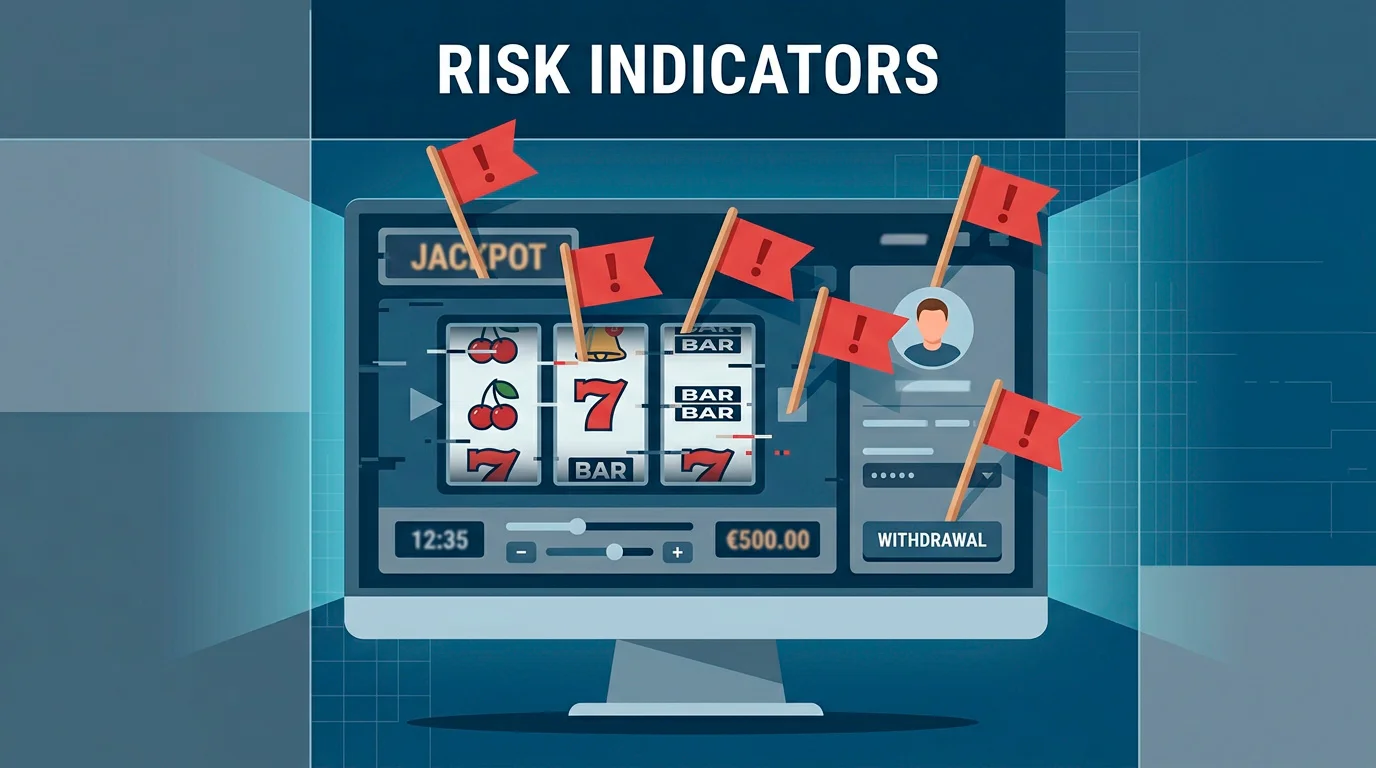
By Daniel Fairhurst, Gambling Regulation Analyst. . About 6 minutes to read.
The trouble at dishonest offshore casinos is rarely random. The same handful of tricks turn up again and again, and once you know the shape of them, they are far easier to spot before any money is at risk.
This is a practical walkthrough of the patterns that recur, with a concrete check for each. The aim is not to alarm, but to give you reproducible steps rather than a vague “be careful”.
Table of Contents
- The bonus that quietly voids your winnings
- Easy sign-up, then a wall at withdrawal
- Pressure to pay by methods you cannot reverse
- Lookalike domains and phishing messages
- A licence seal that leads nowhere
- A short routine that catches most of these
- What the law says and where to report it
- The simple version to remember
- If gambling is causing harm
The bonus that quietly voids your winnings
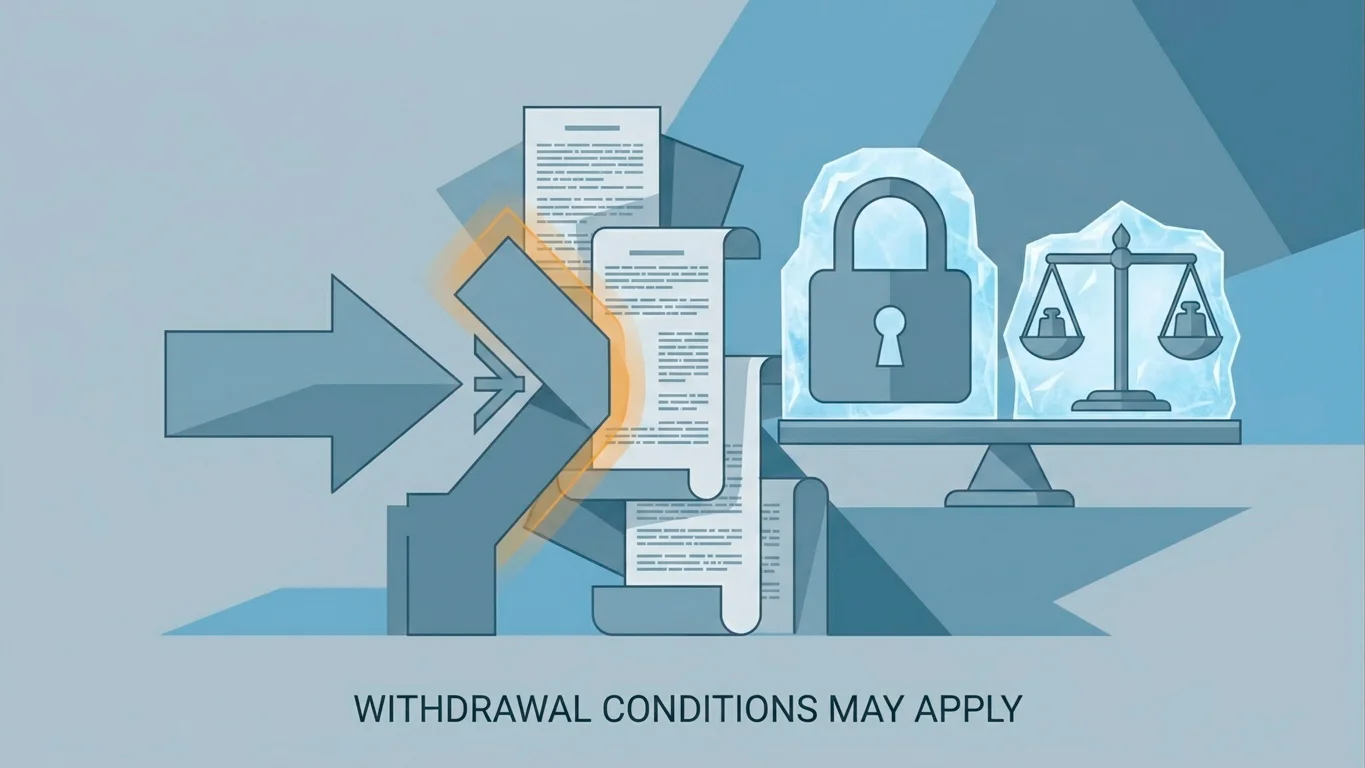
The most common complaint is simple: a player wins, tries to withdraw, and the account is frozen on the grounds of “bonus abuse” or an obscure breach of terms. The headline offer was never really the deal.
It often hides in a buried clause, the kind numbered something like term 14.b.ii, paired with rules that quietly undercut the bonus. Watch for maximum bet limits while wagering and maximum cashout caps, both of which can erase the value you thought you had.
The defence is to read the bonus and withdrawal terms in full before you deposit, and to screenshot them. If the terms are vague, contradictory or change after you sign up, treat that as the warning it is.
A genuine offer survives scrutiny. If you cannot find a plain answer to how much you can withdraw from bonus winnings, or what counts as a breach, that uncertainty is doing exactly what it was designed to do.
Easy sign-up, then a wall at withdrawal
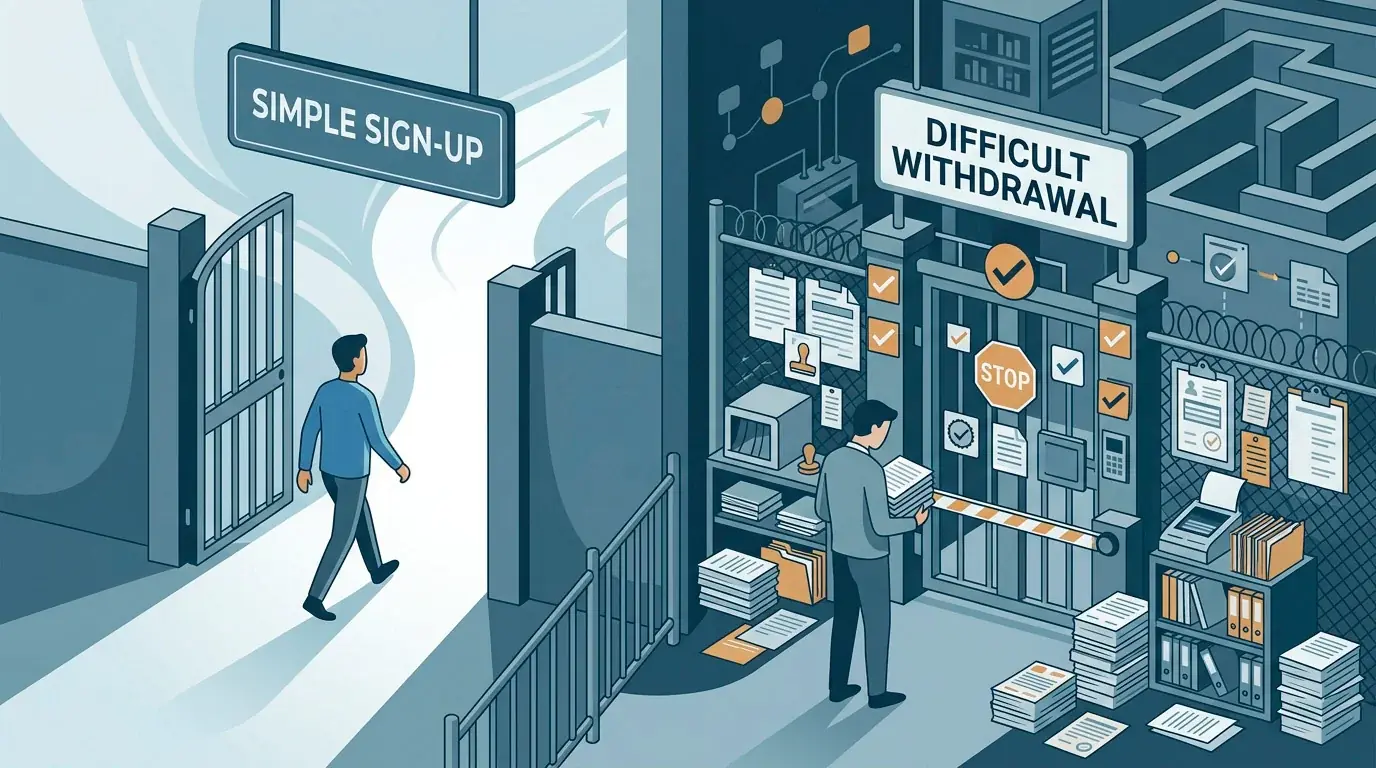
Many sites advertise quick, light registration, which reads as “no verification”. The catch arrives only when you try to take money out, where a full identity check suddenly appears and stalls the payout.
Used honestly, identity checks are normal. Used as a tactic, they become an open-ended delay, with repeated document requests designed to wear you down or push you past a withdrawal deadline. The pattern and the payment angle are covered in KYC-at-withdrawal tactics.
The practical move is to expect a full check and to have clean documents ready, while treating any site that only asks for ID once you are owed money as a clear risk.
Pressure to pay by methods you cannot reverse
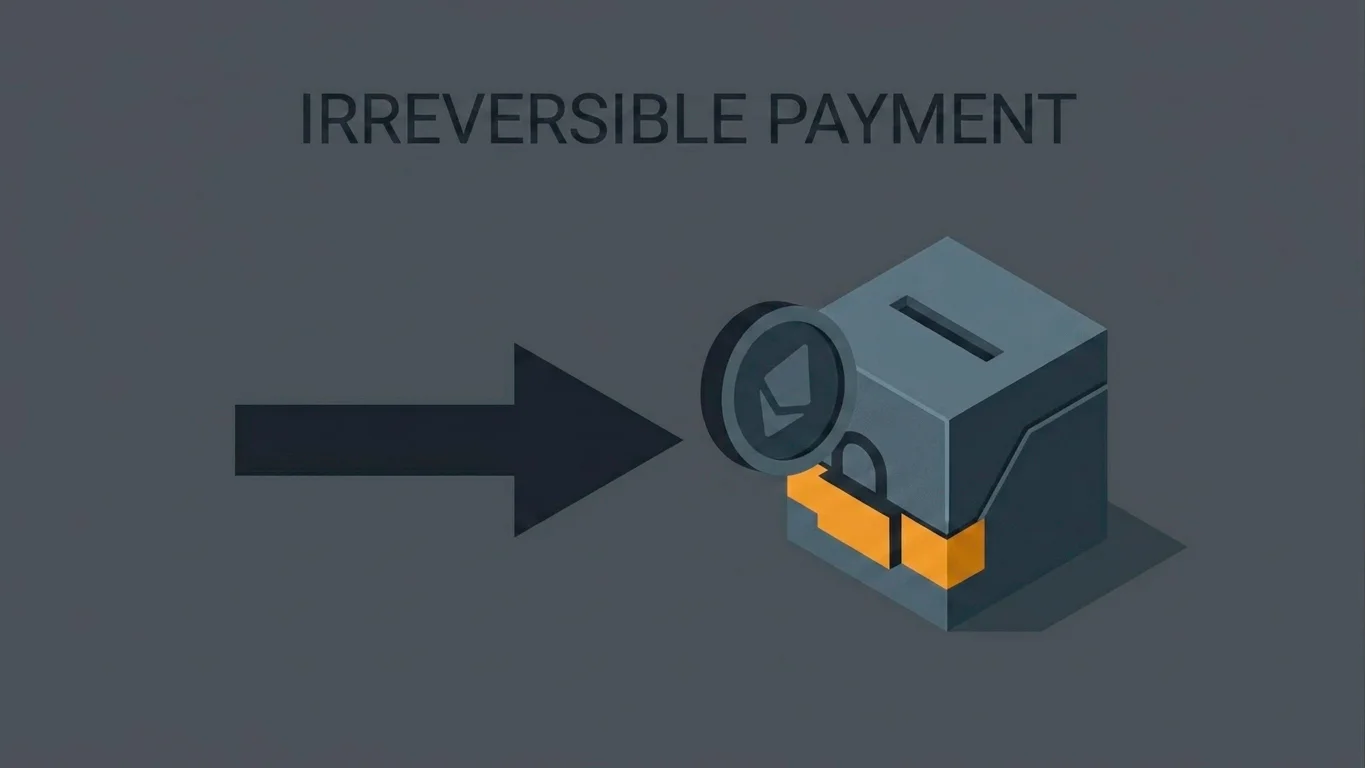
A recurring nudge is towards little-known crypto wallets or transfers that strip away your ability to claw money back. The same features that make these methods fast also make them final.
Cryptocurrency in particular is resistant to chargebacks, so if a site refuses to pay out, there is usually no payment provider to appeal to. That is convenient for an operator acting in bad faith and costly for you.
Be wary when a site steers you firmly away from traceable methods, or offers a bonus only if you fund by crypto. Keeping at least one reversible method in play preserves a route to challenge a payment.
Lookalike domains and phishing messages
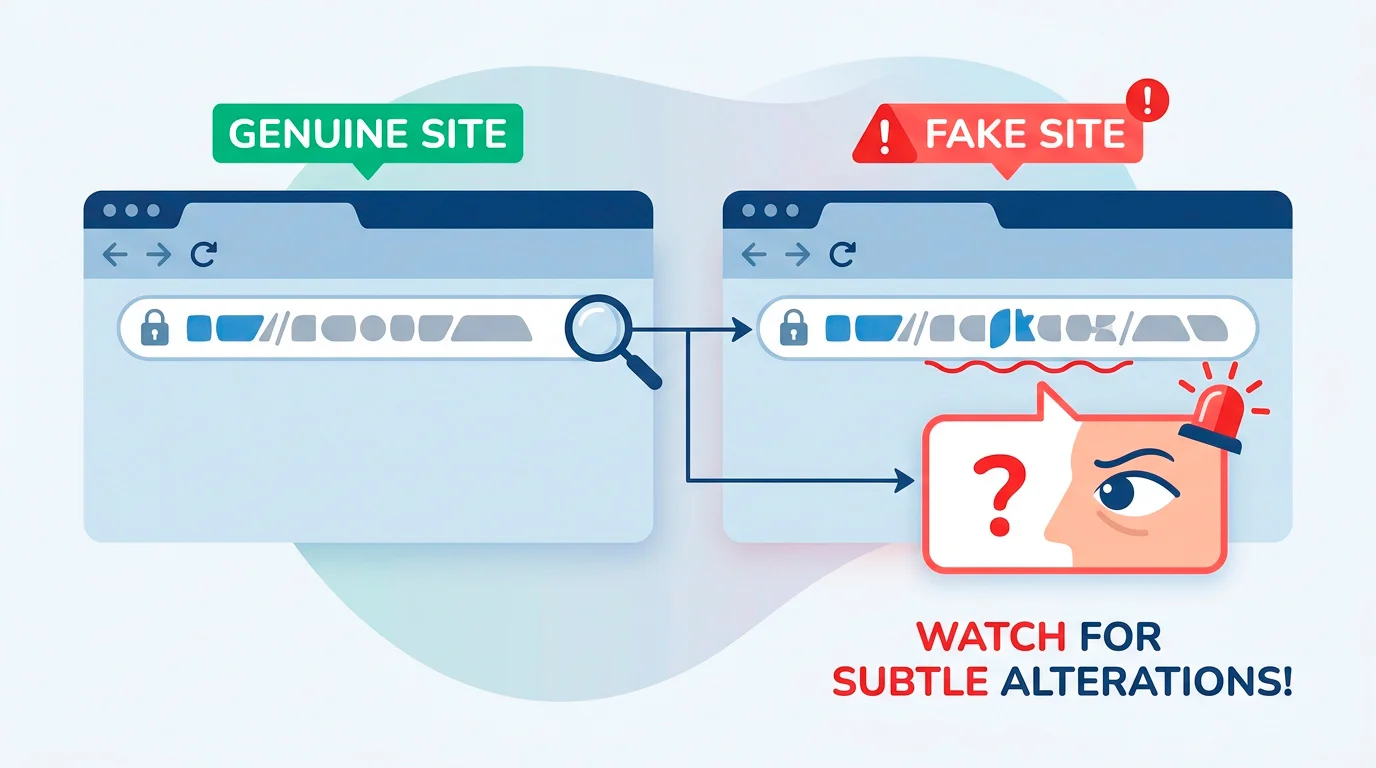
Scammers clone the look of a known brand on a near-identical domain, then drive traffic to it with phishing texts and emails. A single swapped letter in the address is enough to land you on the fake.
These messages often carry false urgency, a “verify your account” link or a too-good bonus. The safe habit is to type the address yourself rather than tapping a link, and to check the domain carefully before logging in.
A bookmark you created yourself is safer than any link sent to you, however official it looks. If a message pressures you to act in the next few minutes, that pressure is usually the point, and slowing down costs you nothing.
A licence seal that leads nowhere
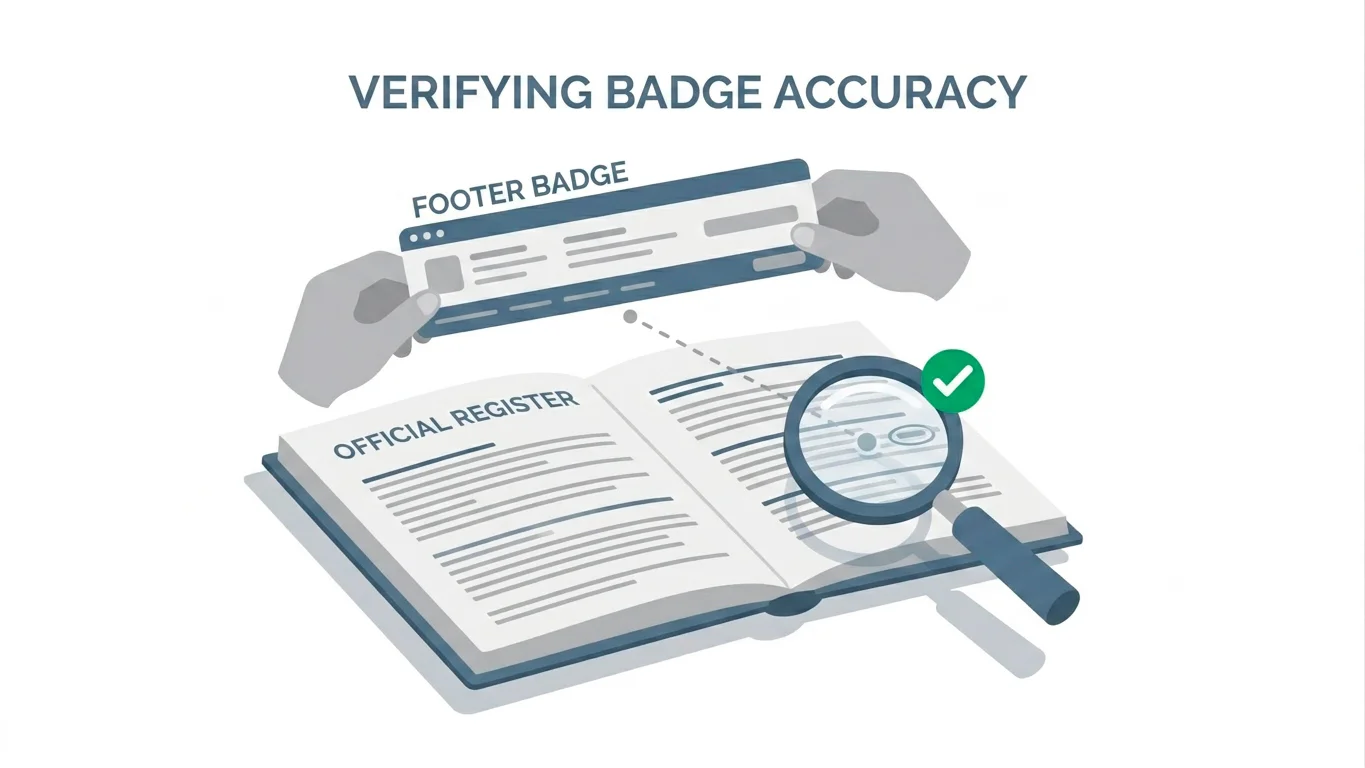
A badge in the footer claiming a licence proves nothing on its own. Cloned or fake seals are common, and many are just an image that links nowhere, or to a page the operator controls.
The only reliable check is the regulator’s own public register. Find the claimed regulator and licence number, open the regulator’s register directly, and confirm the legal entity, the domain and the status match the site you are on. The full method is in how to check a licence.
Treat the absence of voluntary safer-gambling tools, such as deposit limits or self-exclusion, as another warning sign. Legitimate operators rarely hide those away.
A short routine that catches most of these
None of these tricks survives a careful five-minute check. Run the same routine every time, before you deposit, and most bad actors fall away.
Verify the licence on the register
Check the number on the regulator’s own site, never on the casino’s word or footer badge.
Read and screenshot the terms
Capture the bonus and withdrawal rules in full, including bet caps and cashout limits.
Check the payout history
Look for consistent reports in long-running, independent player communities, not just on the site’s own pages.
Keep a reversible payment route
Avoid funding solely through methods that remove any chance of a refund.
Before you reach this stage at all, it is worth confirming the basics, which is why we always suggest you verify the licence before depositing.
What the law says and where to report it
For context, advertising unlicensed gambling to British consumers is itself an offence. Section 330 of the Gambling Act 2005 makes it an offence to advertise unlawful gambling, with the wording published on legislation.gov.uk.
If you have been scammed or targeted, you can report it to Action Fraud, the national reporting centre, through GOV.UK. The regulator also publishes guidance on unlicensed operators on the UK Gambling Commission website.
None of this guarantees recovery of lost funds offshore, which is precisely why the checks above matter more than any after-the-fact remedy. The wider trade-off is set out in what you give up outside the UKGC.
The simple version to remember
If a site makes it easy to put money in and hard to take money out, that asymmetry is the scam in miniature. Verifiable licence, readable terms, reversible payments and real safer-gambling tools are the four things honest operators tend to have.
If you are stepping back rather than playing on, there is gentler help waiting in safer options and support, and you can always return to the main non-GamStop guide.
If gambling is causing harm
You must be 18 or over to gamble in the UK. If chasing losses or a scam has left you struggling, free and confidential help is available.
The National Gambling Helpline, operated by GamCare, is open 24/7 on 0808 8020 133, with live chat at GamCare. Tools and a service finder are at BeGambleAware.
The full picture is in our guide to casinos not on GamStop.
Most of them start at the cashier: payments and ID checks.