
How Casinos Not on GamStop Work: Offshore Operators Explained
 Available in GB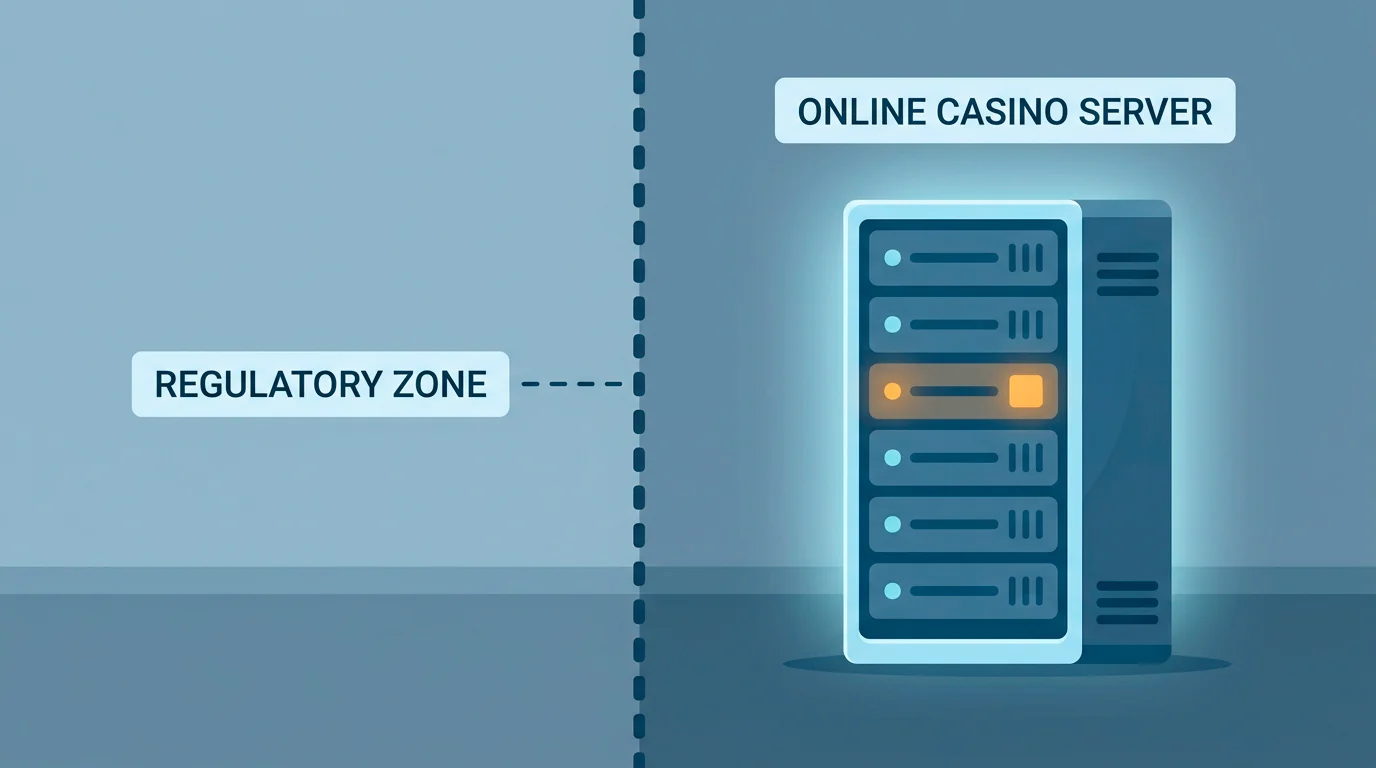
By , Gambling Regulation Analyst – about 10 min read
A casino not on GamStop is simply an online casino that does not take part in GamStop, the national self-exclusion scheme for Great Britain. The reason it can ignore the scheme has nothing to do with clever technology and everything to do with where it is licensed. This page explains the mechanics under the bonnet, plainly and without the sales pitch you will find on most listicles.
Table of Contents
- The workaround is about jurisdiction, not technology
- What an offshore operator actually is
- The UKGC licence is what binds an operator to GamStop
- Serving GB players without a UKGC licence is the operator’s risk
- Offshore licences run from fairly strict to barely there
- Stepping outside the UKGC strips away specific protections
- Why a neutral comparison table looks different here
- Three myths that get British players into trouble
- What to read next in this section
- If gambling stops feeling like a choice
The workaround is about jurisdiction, not technology
GamStop is a register, and the obligation to check that register is a condition of holding a licence from the UK Gambling Commission (UKGC). Every operator with a UKGC licence must screen new and existing customers against the GamStop database in near real time and block anyone who has self-excluded.
An offshore casino does not hold a UKGC licence. It is authorised somewhere else entirely, so it carries no obligation to query GamStop at all. A self-excluded player’s details are never matched against the register, and the account is never blocked. That is the whole trick, and it is worth saying clearly: the workaround exists because GamStop’s reach is jurisdictional, not because these sites have found a technical hole.
If you want the scheme itself broken down first, our page on how GamStop works covers the register, the exclusion periods and the coverage limits in detail.
What an offshore operator actually is
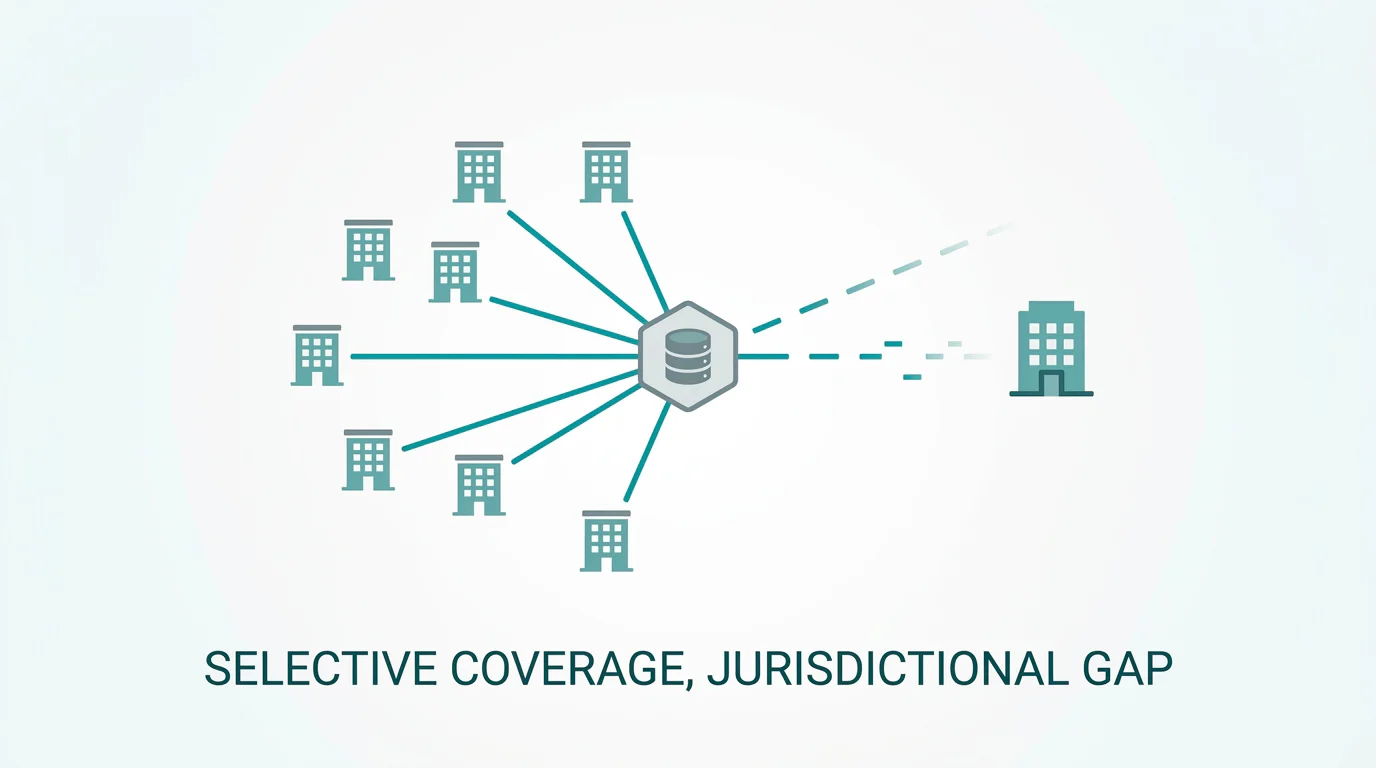
It helps to picture the thing you are dealing with. A non-GamStop casino is usually a company registered in a low-tax jurisdiction, holding a gambling licence from a regulator outside the UK, running a website and a games library aimed at an international audience that happens to include British visitors.
Many of these sites are built on white-label platforms, which means one parent company supplies the licence, the payment plumbing and the casino software to several brands at once. That is why you will often see clusters of near-identical sites with different names, similar terms and the same support email format. It also means the brand on the front door is not always the legal entity that actually holds your money.
None of this is hidden or sinister in itself, but it changes who you are really trusting. When something goes wrong, the question is not “which logo did I see” but “which company is licensed, where, and what can that regulator actually do”. A brand can rebrand overnight; the licensed entity behind it is harder to move and easier to check. Those are the questions the rest of this section is built around.
The UKGC licence is what binds an operator to GamStop
The legal foundation here is the Gambling Act 2005 (c.19), which created the Gambling Commission and brought online gambling under formal regulation for the first time. The Act sets three licensing objectives: keeping gambling crime-free, keeping it fair and open, and protecting children and vulnerable people.
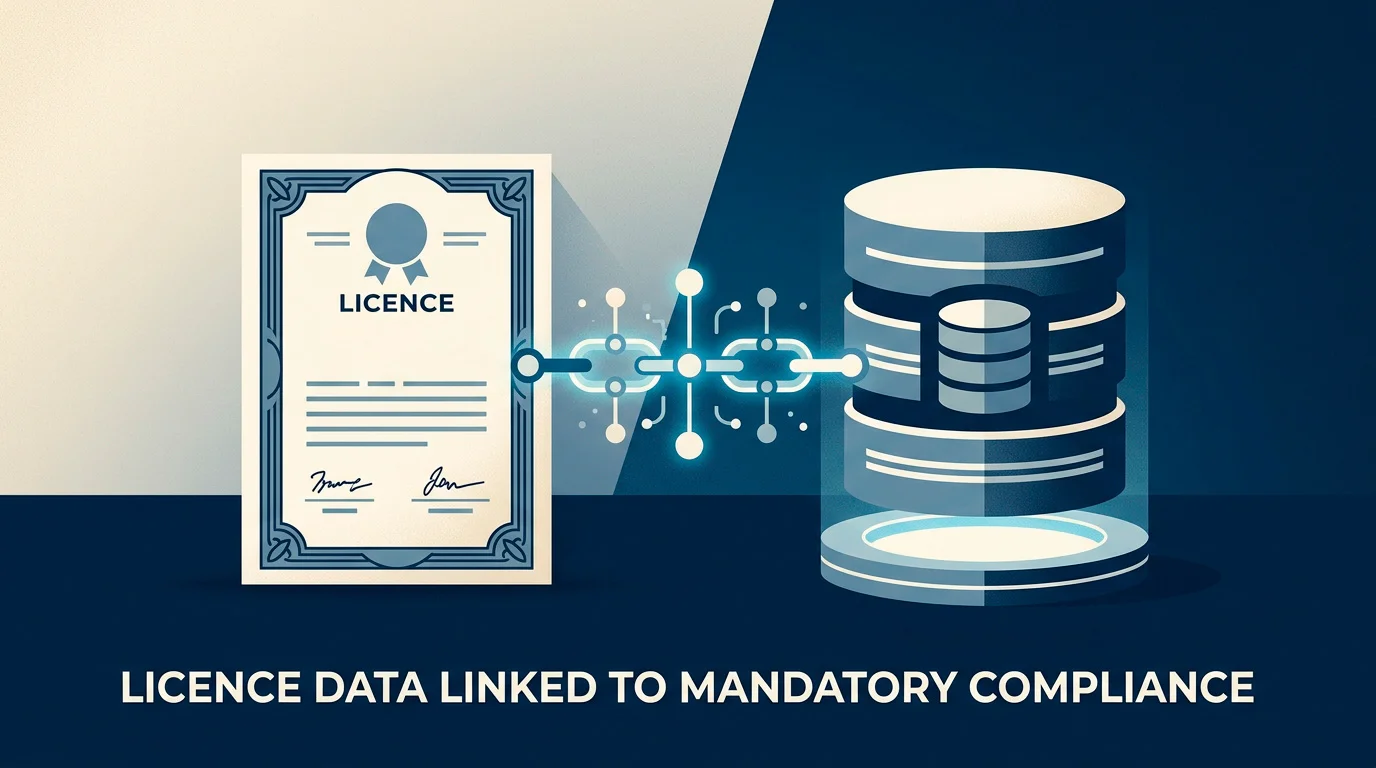
GamStop participation became a mandatory UKGC licence condition in 2020. So when an operator is inside the UK system, the self-exclusion check is not optional – it is bolted to the licence. Strip the UKGC licence away and the condition disappears with it.
You can read the founding statute yourself on the official register at legislation.gov.uk, and the Commission explains its remit and licence conditions at gamblingcommission.gov.uk.
Serving GB players without a UKGC licence is the operator’s risk
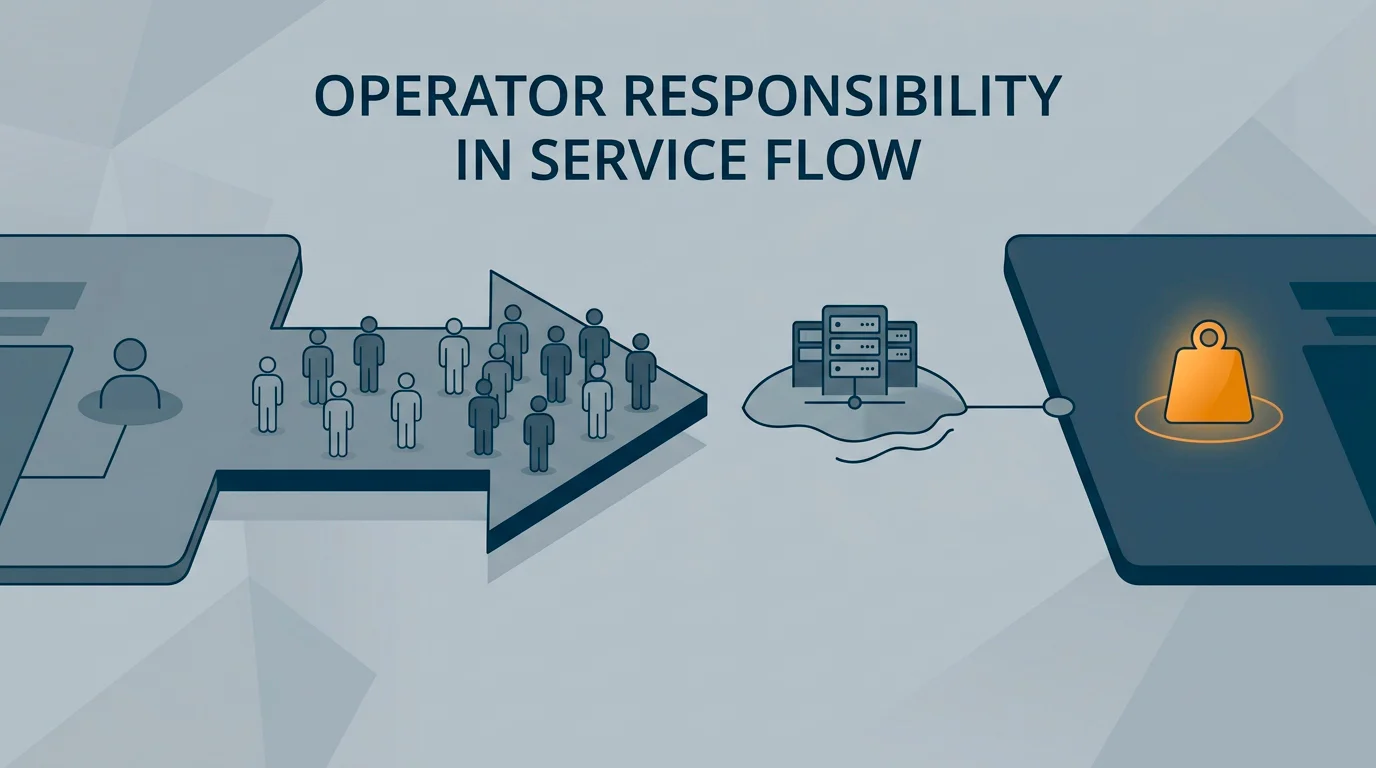
There is a common myth that offshore operators are entirely outside UK law. They are not. The Gambling (Licensing and Advertising) Act 2014 introduced what is usually called the point-of-consumption rule, in force from 2014. It means an operator providing remote gambling to people in Great Britain needs a UKGC licence regardless of where its servers or its company sit.
Under section 33 of the Gambling Act 2005 it is a criminal offence to provide facilities for gambling without a licence, and section 36 (with the section 36(3A) wording added in 2014) ties that offence to remote gambling where the operator knows or should know the facilities are being used in Great Britain. In plain terms: the unlicensed operator who actively serves GB customers is breaking UK law – but the obligation and the liability sit with the operator, not with you as an individual player.
That asymmetry – operator liable, player unprotected – is the single most important thing to understand, and we unpack it fully on the page covering what the scheme blocks and the wider legal position.
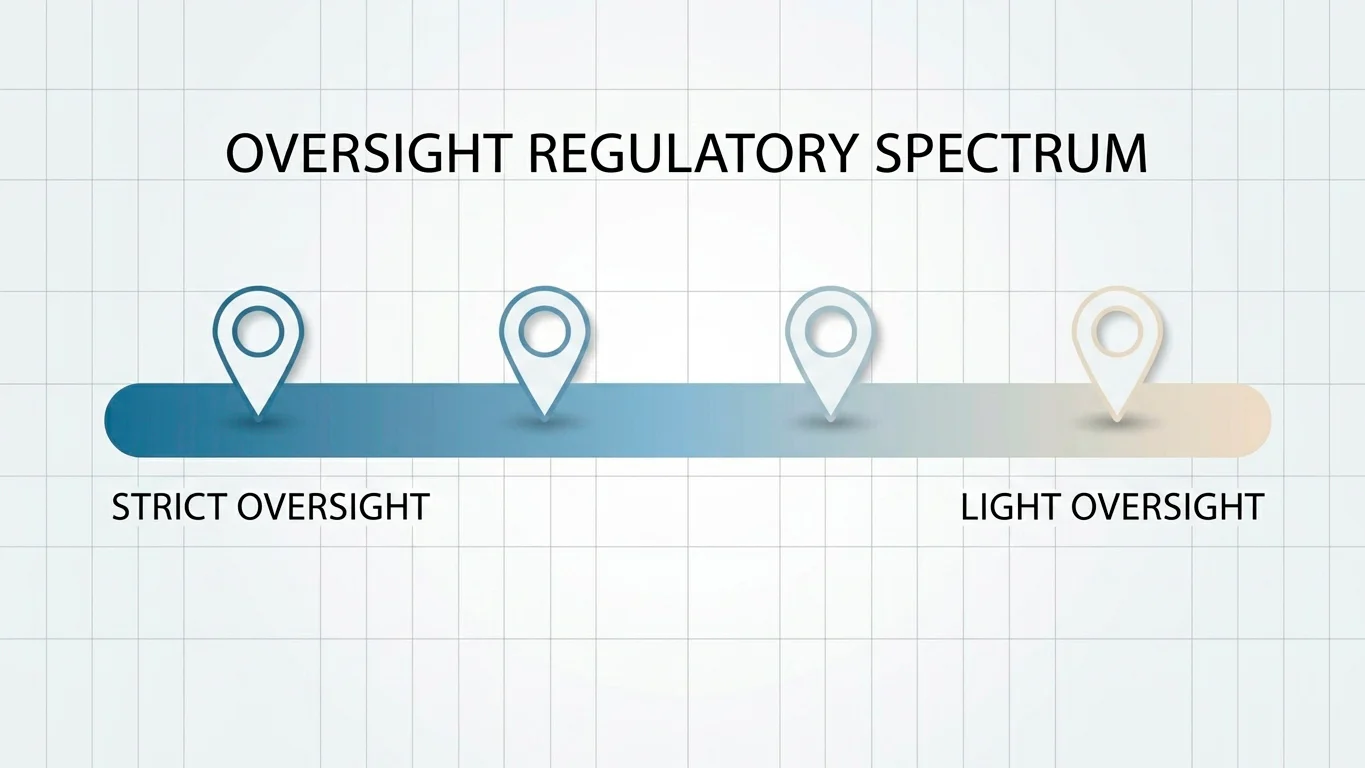
Offshore licences run from fairly strict to barely there
Not all offshore licences are equal, and treating them as interchangeable is a mistake. Broadly, from the more demanding to the lightest touch, UK players tend to meet the Malta Gaming Authority (MGA), then Gibraltar and the Isle of Man, then Curaçao, and at the lighter end Anjouan in the Comoros.
Curaçao is by far the most common licence on non-GamStop sites. Its regime changed substantially when the National Ordinance on Games of Chance, known by its Dutch initials LOK, came into force on 24 December 2024. That reform replaced the old master-licence and sub-licence model with direct single-tier licensing under the new Curaçao Gaming Authority (CGA). As of early 2026 the regime is still bedding in, with operators moving from provisional to full licences and little public enforcement history yet.
Anjouan is newer and very cheap to enter, which is exactly why it has become popular with crypto-first operators and why it warrants extra care. One persistent myth worth correcting: Costa Rica is often named as a gambling jurisdiction, but it does not actually issue gambling licences. Sites that wave a “Costa Rica” badge are really just incorporated there, with no gambling regulator standing behind them.
The strictness of a licence is best treated as a rough signal of how much protection sits behind it, not a guarantee. Malta’s regime asks more of operators on player funds, complaints handling and responsible-gambling tooling than the lighter jurisdictions do. That makes an MGA licence meaningfully more reassuring than an Anjouan one – but it is still not the UKGC, and a strong jurisdiction does not rescue a badly run brand. For the full breakdown, see our comparison of offshore licence jurisdictions compared, covering Curaçao, Malta and Anjouan side by side.
Stepping outside the UKGC strips away specific protections
When a casino sits outside the UK system, you do not simply lose a logo in the footer. You lose a defined set of consumer protections that UKGC licence conditions guarantee, and you do not notice most of them until the day you need them.
Independent dispute resolution
UKGC players can escalate a complaint to an approved alternative dispute resolution body and, ultimately, to the regulator. Offshore, that route is usually weak or absent.
Fund protection
There is no UK-style requirement to keep player balances segregated and protected, so recovery can be impossible if an operator fails or refuses to pay.
Affordability and safer-gambling tools
Mandatory financial checks, deposit limits and intervention rules do not apply offshore.
The GamStop block itself
For a self-excluded person, this is the protection that was the whole point – and it is precisely the one that stops working.
We treat this in full on the page about the protections that fall away outside the UKGC. It is the honest centre of this topic, not a footnote.
Why a neutral comparison table looks different here
Most pages in this niche rank operators as “best” or “top”. We deliberately do not. A genuinely useful comparison describes what an operator actually is – its licence and jurisdiction, roughly when it launched, its payment model – and attaches at least one objective risk marker to every entry, such as no UKGC protection, no GamStop participation or KYC checks held back until withdrawal.
That is the format used in the comparison table on our main non-GamStop guide. It is built on verifiable facts rather than brand reputation, partly because much of the operator detail circulating online comes from affiliate pages we cannot treat as a reliable source.
Three myths that get British players into trouble
The marketing around this niche leans on a handful of half-truths. Clearing them up early saves a lot of grief later.
“Not on GamStop means unregulated.” Not quite. Most of these sites do hold a licence – it is simply an offshore one, often Curaçao, that asks far less of the operator and gives you far less to fall back on. A weaker regulator is not the same as no regulator, but for a UK player the practical difference in protection is large.
“Offshore is the same as safer.” It is the opposite. You may gain looser limits and bigger headline bonuses, but you give up UK dispute resolution, fund protection and the safer-gambling backstop. The honest framing is fewer protections, not more freedom for free.
“These sites have no verification.” Sign-up is often quick, which is where the myth comes from, but the identity checks usually arrive at the moment you try to withdraw a win. We explain that pattern, and why crypto makes recovery so hard, in the guide to payments and ID checks offshore and the no-verification reality.
Seeing through these three claims is most of what separates a careful player from a vulnerable one. The rest is verification, which is a learnable habit rather than a leap of faith.
What to read next in this section
This page is the overview. The supporting guides go deeper on the parts that matter before you act, and the order below is roughly the order a careful person would work through them. If you want to understand how strong or weak a given licence really is, start with the Curaçao, Malta and Anjouan comparison.
Before depositing anywhere, the practical skill is verification, which is why we wrote a step-by-step guide on how to verify an offshore licence on the regulator’s own register rather than trusting a seal in the footer. And because money is where most disputes happen, our breakdown of payments and ID checks offshore explains the no-verification reality and why “no KYC” is usually a myth.
None of this is meant to talk you into or out of anything. The aim is simpler: to make sure that if you do step outside the UK system, you do it with your eyes open, understanding exactly what changed the moment you left it and what recourse you have – or do not have – if a site lets you down.
If gambling stops feeling like a choice
If you self-excluded for a reason, an offshore site removes the protection you deliberately put in place. Support is free, confidential and available around the clock.
Call the National Gambling Helpline, operated by GamCare, on 0808 8020 133 (free, confidential, 24/7), or use the live chat at gamcare.org.uk. You will also find tools and a service finder at gambleaware.org. You must be 18+ to gamble.
The full picture is in our guide to casinos not on GamStop.
Which regulator stands behind an operator: the licences compared.