
Why Tighter UK Rules Are Pushing Players Towards Offshore Sites
 Available in GB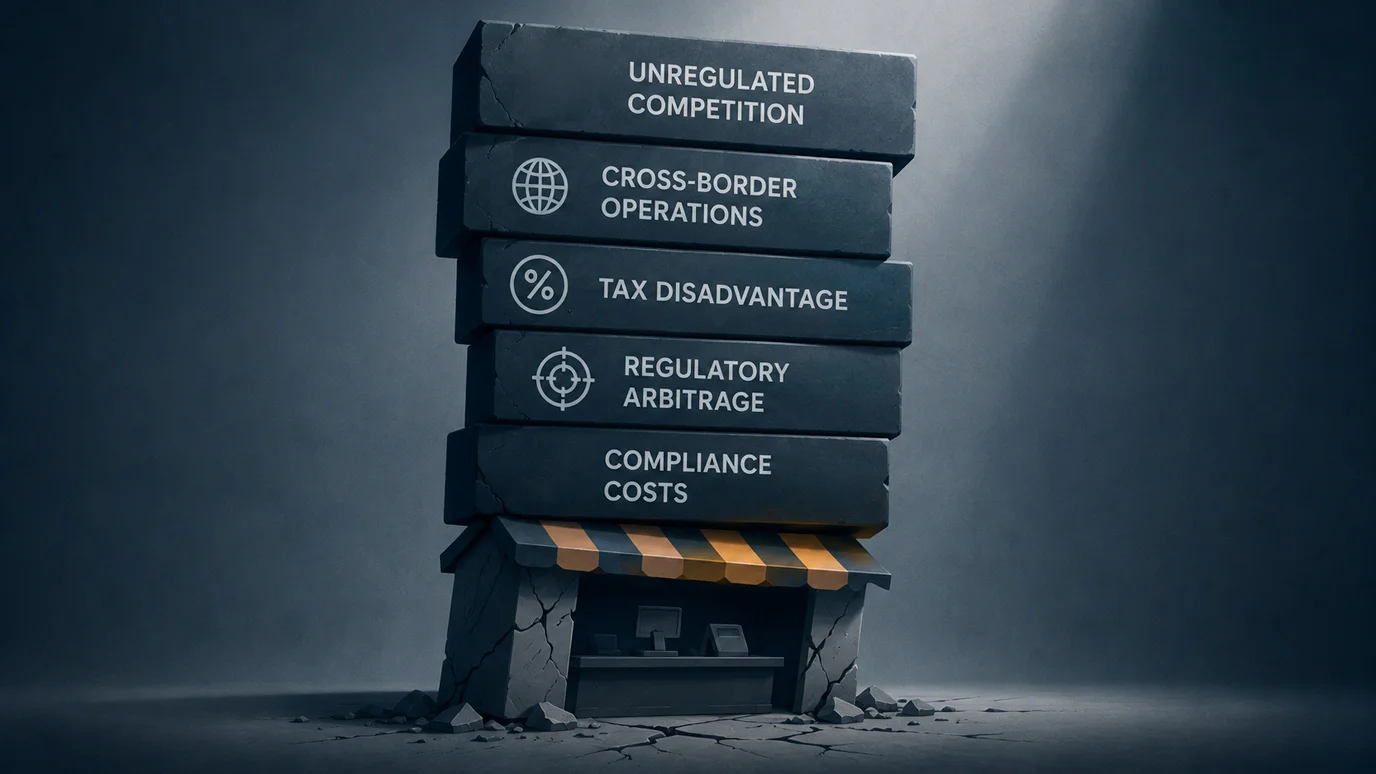
By Daniel Fairhurst, Gambling Regulation Analyst. . About 7 minutes to read.
The UK is in the middle of its biggest gambling shake-up since 2005. Stake limits, affordability checks and a near-doubling of operator gaming tax have reshaped the licensed market, and that pressure is a large part of why some players are looking offshore.
This is a neutral read of what changed and why demand has reacted, not a nudge in any direction. The reforms are aimed at reducing harm; the offshore drift is a side effect that regulators themselves acknowledge.
Table of Contents
- The 2023 White Paper set the whole programme in motion
- Online slots now carry the first stake limits in their history
- Financial risk checks add friction at the account level
- A new levy and a sharply higher duty squeezed operator margins
- Most of the new tax lands on players, not operators
- The demand reacts, but the trade-off does not change
- What to take from all this
- Keeping it in perspective
The 2023 White Paper set the whole programme in motion
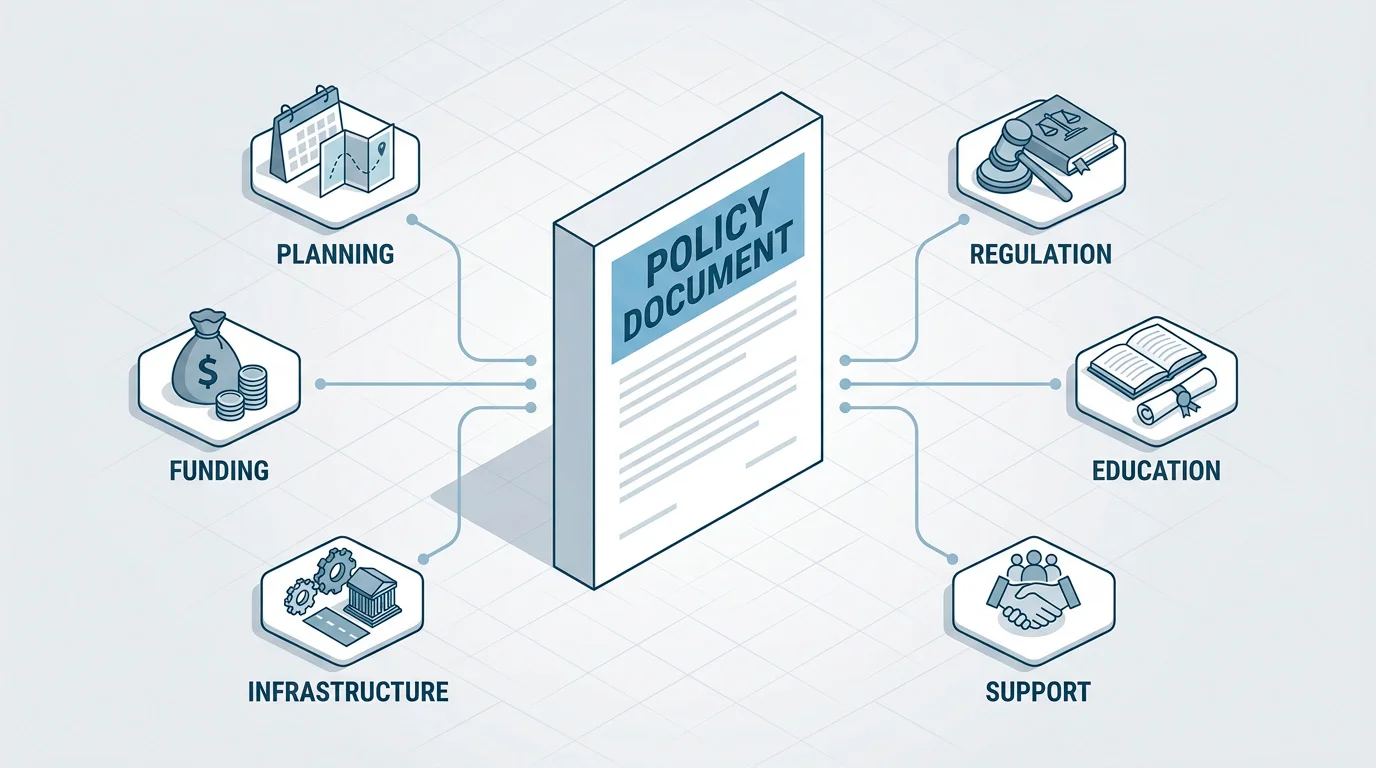
The starting point is the government’s gambling White Paper, “High Stakes: Gambling Reform for the Digital Age”, published in April 2023. It set out roughly sixty measures and was the most significant review of the sector since the Gambling Act 2005.
Almost everything that followed in 2024, 2025 and 2026 traces back to it. The headline policy documents are published on the GOV.UK website, alongside the consultations that turned proposals into rules.
The thread running through the package is harm reduction, with online casino-style products treated as the highest-risk category. That framing matters, because it explains why the toughest measures landed on slots and remote gaming rather than across the board.
It is also why the reforms arrived in waves rather than all at once. Each measure needed its own consultation and statutory instrument, so what began as a single document in 2023 became a steady drumbeat of changes that operators and players had to absorb one after another.
Online slots now carry the first stake limits in their history
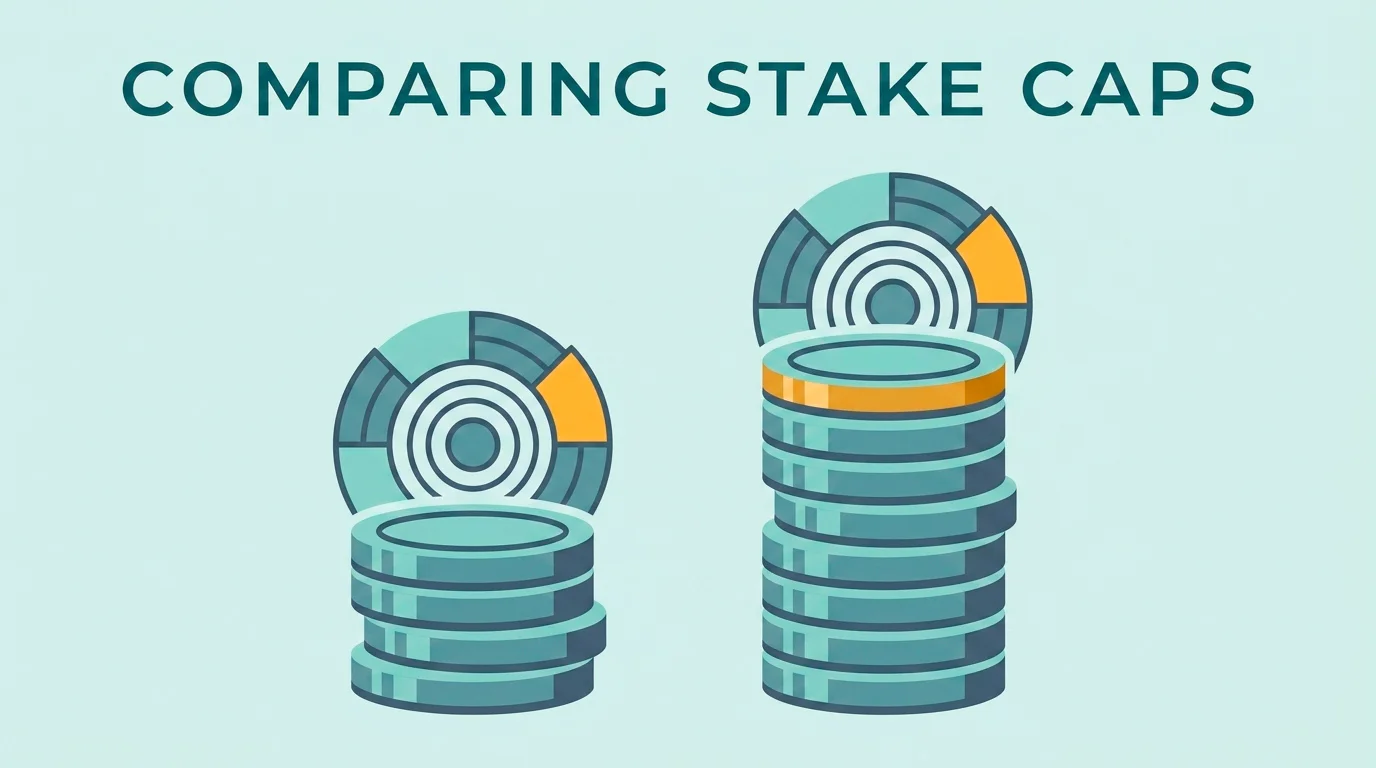
For the first time, the amount you can stake per spin on an online slot is capped. The limits were introduced through the Gambling Act 2005 (Operating Licence Conditions) (Amendment) Regulations 2025, signed in February 2025.
£5 per spin
The cap for adults aged 25 and over, effective from 9 April 2025.
£2 per spin
The lower cap for players aged 18 to 24, effective from 21 May 2025.
The lower band for younger adults reflects the same harm-reduction logic seen across the reforms. For higher-staking players, these caps changed the feel of the product overnight, and that is one trigger people cite when they look elsewhere.
Financial risk checks add friction at the account level
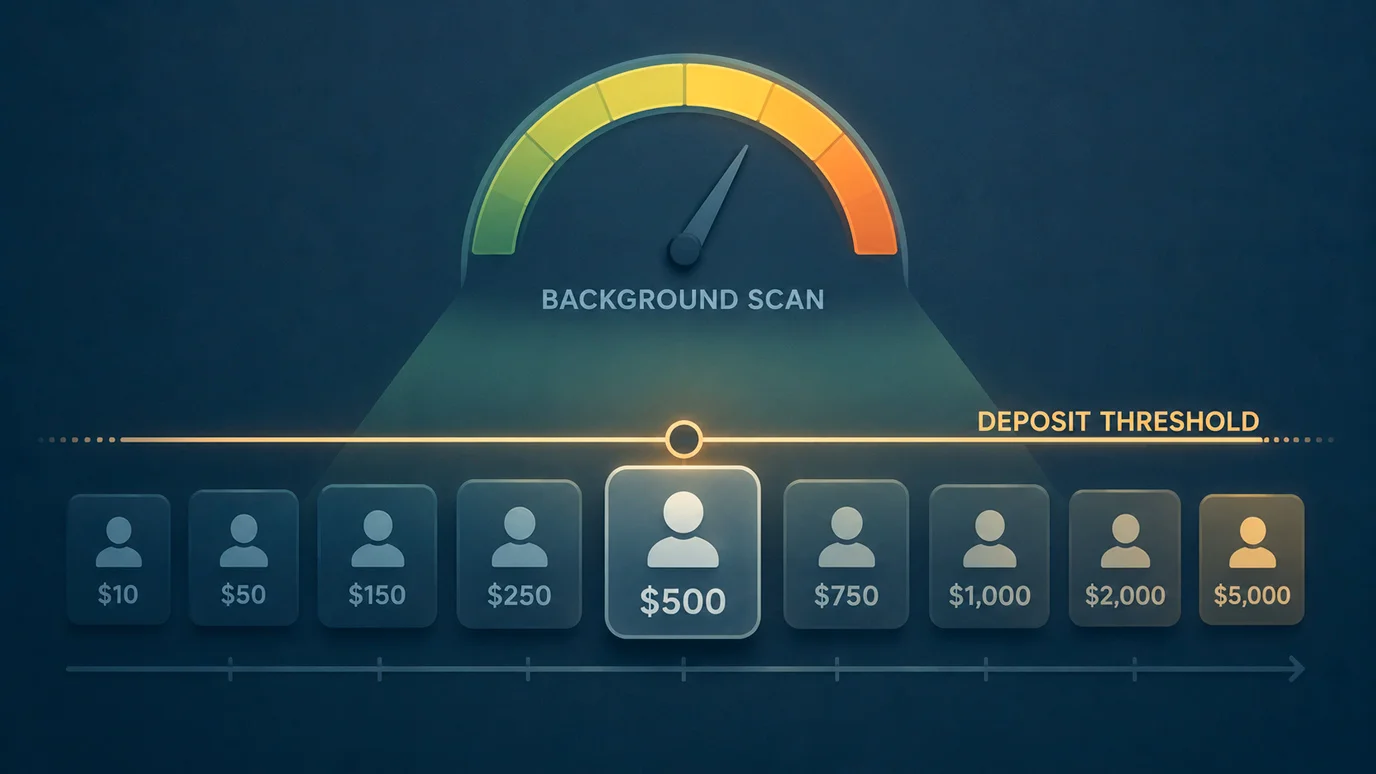
Alongside the stake caps, operators must now run light-touch financial vulnerability checks once a customer’s net deposits pass a set threshold in a rolling 30-day window. The trigger point was tightened over time, settling at £150 in early 2025.
These checks are meant to be unobtrusive, drawing on background data rather than demanding bank statements, and a pilot of frictionless assessments ran across 2024 and into 2025. In practice, though, any added friction is enough to send some players looking for sites that ask nothing.
That instinct collides with reality offshore, where light registration often hides a full identity check at the moment you try to withdraw. The mechanics of that are covered in crypto and no-verification claims.
A new levy and a sharply higher duty squeezed operator margins
Two financial changes reshaped the economics of the licensed market. First, a statutory levy on operators replaced voluntary contributions, collected by the regulator and projected to raise in the region of £100 million a year.
The levy is charged as a percentage of operator revenue, with online operators paying the highest rate, and the proceeds are directed towards research, prevention and treatment of gambling harm. It is a modest cost next to the duty change, but it adds to the same picture of a market that is more expensive to operate in.
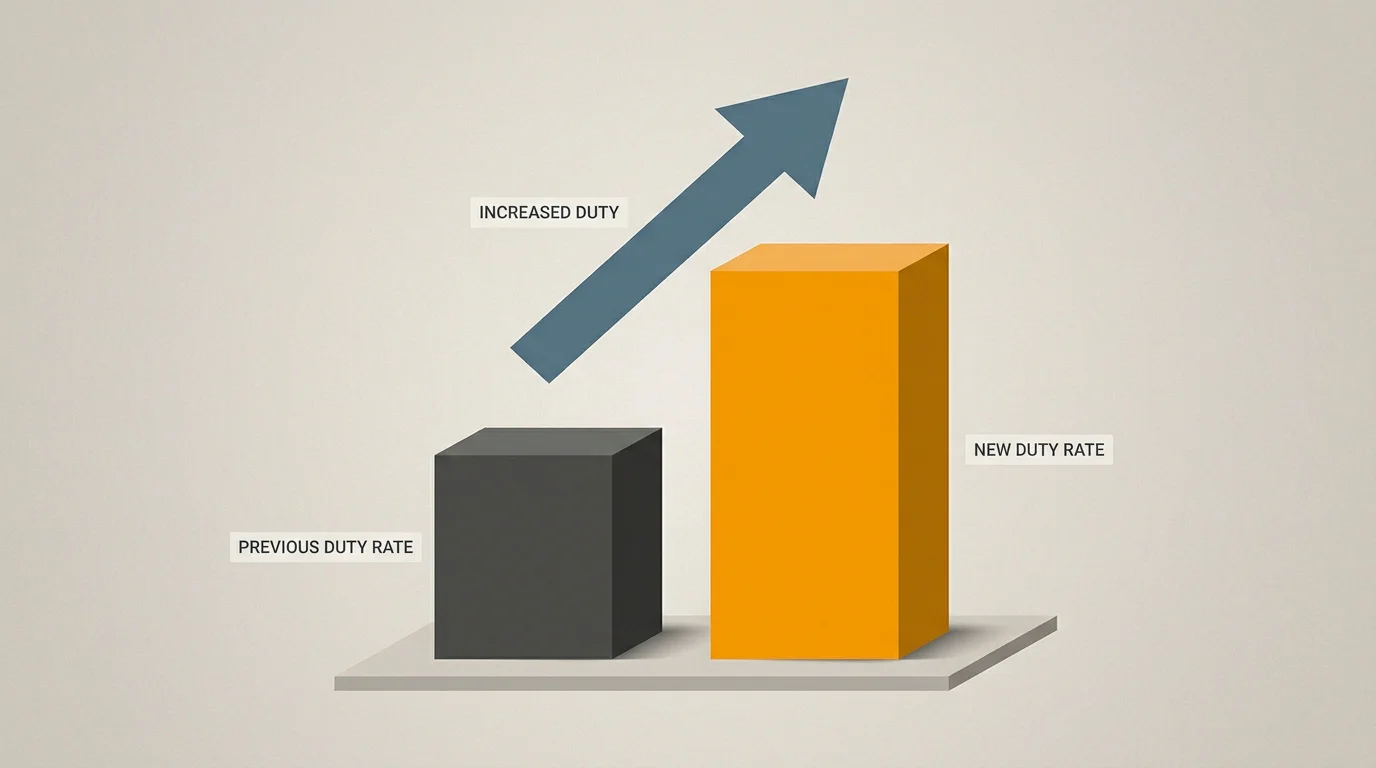
Second, and far larger, Remote Gaming Duty rose from 21% to 40% for accounting periods beginning on or after 1 April 2026. That near-doubling of tax on online casino profit is the single biggest commercial shock in the package.
| Duty | Change | From |
|---|---|---|
| Remote Gaming Duty | 21% rises to 40% | 1 April 2026 |
| Remote betting (within General Betting Duty) | New 25% rate; UK horse racing stays 15% | 1 April 2027 |
| Bingo Duty | Abolished | 1 April 2026 |
The detail of these changes appears in the HMRC policy paper published on 26 November 2025, available through HMRC on GOV.UK. The framing there is explicit: higher tax on the products judged most harmful.
Most of the new tax lands on players, not operators
A tax on operators rarely stays with operators. The Office for Budget Responsibility estimates that roughly 90% of the additional Remote Gaming Duty will be passed to players through worse odds, thinner bonuses and lower return-to-player percentages.
For a regular player, that means the licensed product quietly gets less generous: smaller promotions, tighter game maths, and fewer of the perks that defined the previous decade. None of this is hidden, but it is felt over time rather than announced.
Operators have responded in visible ways too, from cost-cutting to closing parts of their business and rebalancing towards sports betting, which faces a lower duty until 2027. The combined effect is a market that is leaner for the operator and less rewarding for the customer at the same time.
That erosion of value is the mechanism analysts point to when they discuss offshore drift. The regulator’s own statements about unlicensed operators are published on the UK Gambling Commission website.
The demand reacts, but the trade-off does not change
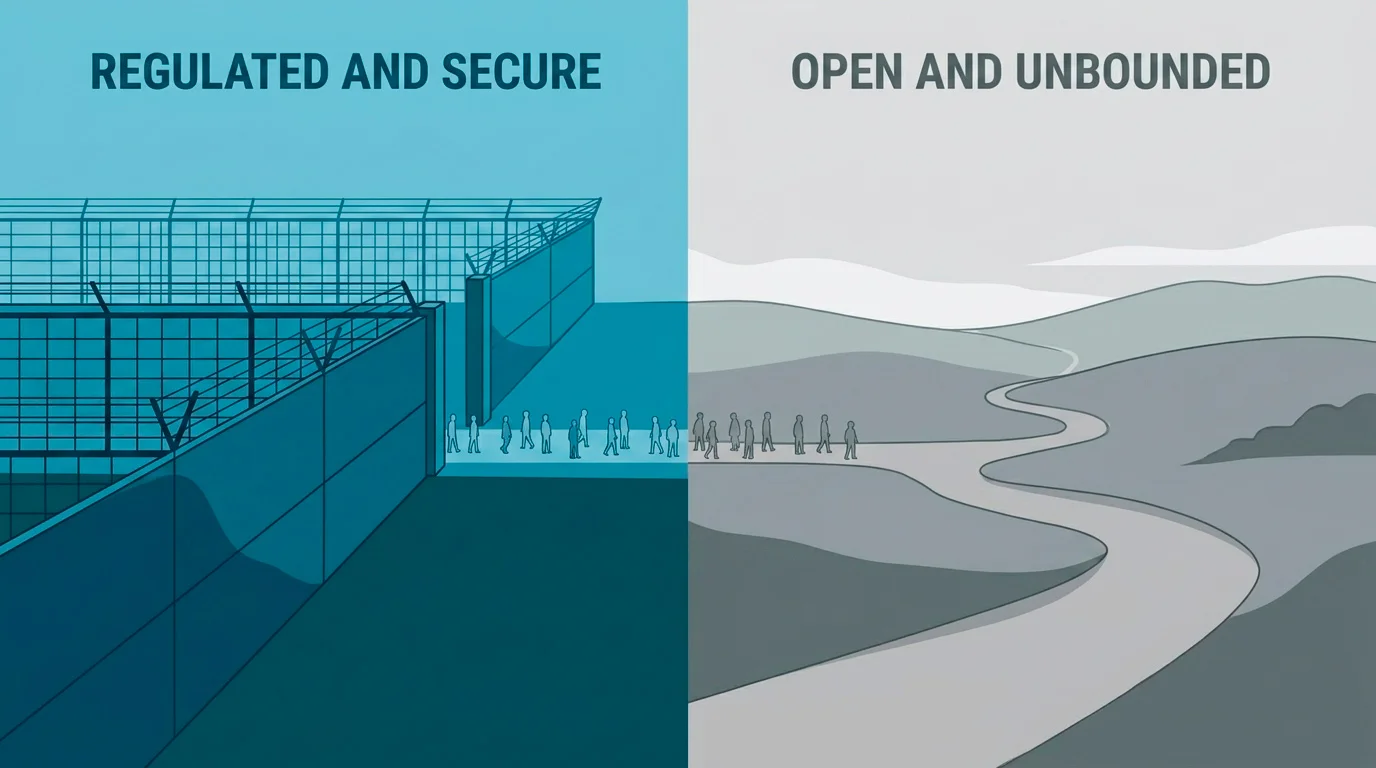
Put the pieces together and the pattern is easy to read. Stake caps, account friction and a thinner product on one side; sites with no caps, light registration and big headline bonuses on the other. Some players follow the second path.
The honest point is that the offshore option does not restore what the reforms removed; it removes the protections too. There are no affordability checks because there is no regulator requiring them, and there is no GamStop block because the site never joined. Where those players are going is explained in how offshore operators work.
If you are weighing this up, the practical questions are about protection, not just stake size. What you give up is set out in the risks of moving offshore, and the scheme this all orbits is covered in how GamStop works.
What to take from all this
The reforms are real, they are still landing, and several rates and thresholds are worth re-checking against official sources before acting on them. The direction of travel is a tighter, more expensive licensed market.
Understanding the driver helps you read the offshore market clearly rather than reactively. The pull is genuine, but it is a pull away from safeguards, not towards a better deal. For the full overview, return to the non-GamStop overview.
Keeping it in perspective
You must be 18 or over to gamble in the UK. If the pressure to chase value is affecting how you gamble, support is available.
The National Gambling Helpline, operated by GamCare, is free, confidential and open 24/7 on 0808 8020 133, with live chat at GamCare. Tools and a service finder are at BeGambleAware.
The full picture is in our guide to casinos not on GamStop.
Where that demand ends up: how offshore operators work.