Is It Legal to Play at Casinos Not on GamStop in the UK?
 Available in GB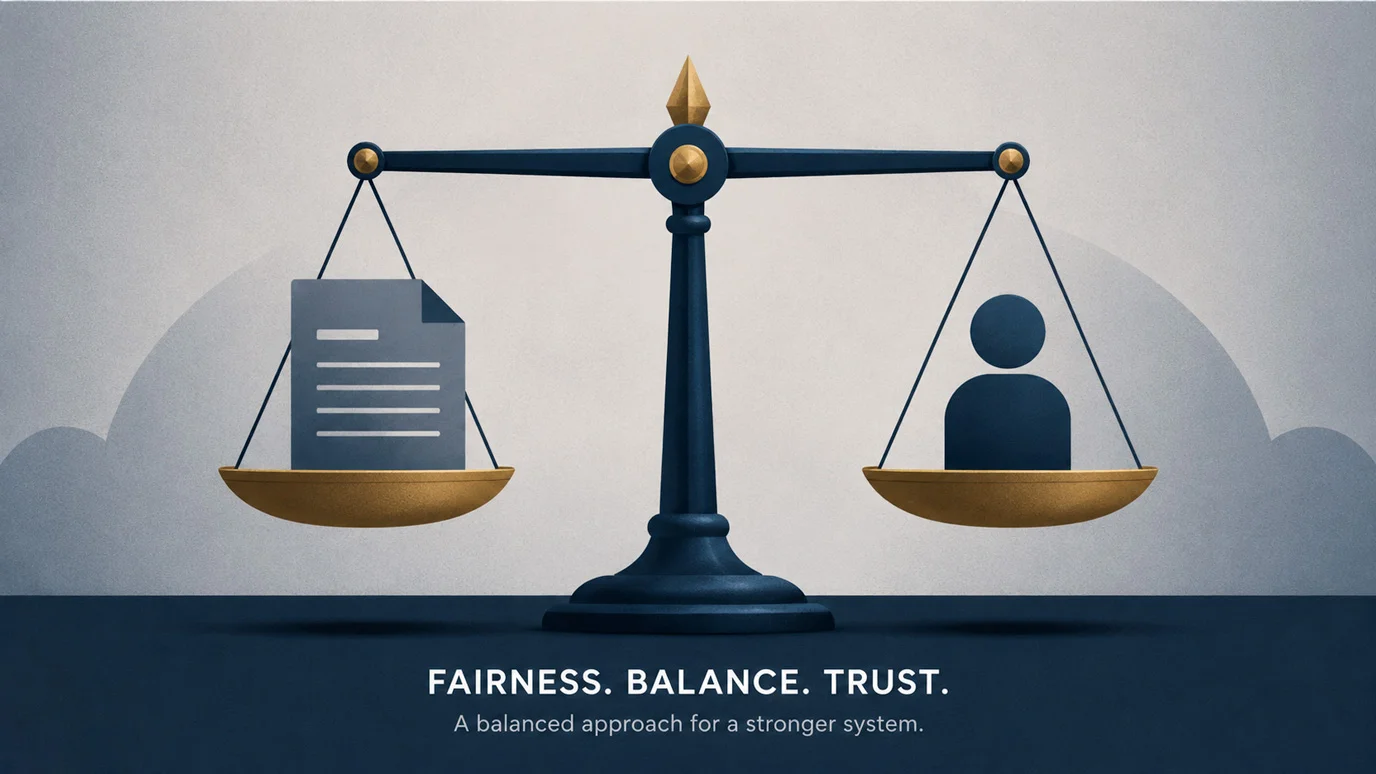
By Daniel Fairhurst, Gambling Regulation Analyst. . About 7 minutes to read.
For a player in Great Britain, the honest answer is that using an offshore, internationally licensed casino is not a crime, but it leaves you outside UK consumer protection. The law is permissive towards the player and pointed at the operator.
That gap between “allowed” and “protected” is the part most pages gloss over. This page sets out what the Gambling Act 2005 actually says, who carries the legal risk, and what you give up when you step outside the UK system.
Table of Contents
UK gambling law aims at the operator, not the player
The foundation here is the Gambling Act 2005, which received Royal Assent on 7 April 2005 and came into force on 1 September 2007. It created the UK Gambling Commission and brought online gambling under formal regulation.
The Act is built around three licensing objectives: keeping gambling crime-free, keeping it fair and open, and protecting children and other vulnerable people. Those objectives sit behind every licence condition the regulator imposes.
Those three objectives are not decoration. They are the yardstick the Gambling Commission uses when it decides what a licensed operator must do, from how it verifies age to how it handles a customer in difficulty. An offshore site answers to none of them, which is the quiet reason the experience can feel looser and riskier at the same time.
Crucially, the offences in the Act are aimed at whoever provides the gambling. Section 33 makes it an offence to provide facilities for gambling without the required licence. You can read the section itself on legislation.gov.uk.
There is no matching offence that criminalises an individual for placing a bet at an unlicensed site. The duty, and the penalty, attach to the business running the gambling.
The 2014 Act closed the offshore loophole for operators
For years, operators argued that if their servers sat abroad, UK rules did not apply. The Gambling (Licensing and Advertising) Act 2014 ended that argument by moving to a “point of consumption” model, in force from mid-2014.
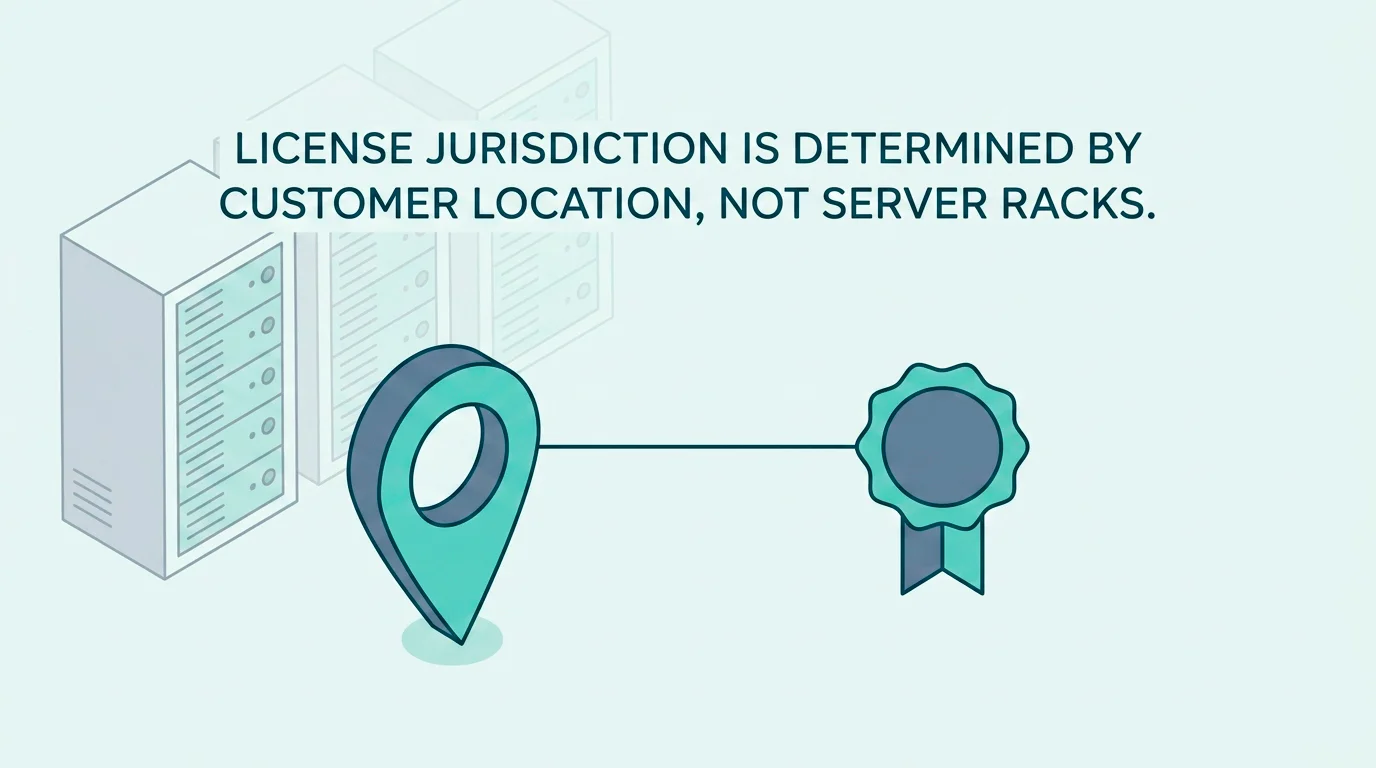
Under that model, any operator serving customers located in Great Britain needs a UK licence, regardless of where the company or its equipment sits. The territorial reach is set out in section 36, including the inserted section 36(3A).
That subsection says a remote operator commits the section 33 offence only if it knows or should know that its facilities are being used, or are likely to be used, in Great Britain. The full wording is published on the section 36 page at legislation.gov.uk.
The practical effect is straightforward. An offshore casino that takes British customers without a UK licence is the one breaking the rule, not the customer. This is also the mechanism that lets these sites sit outside GamStop, which is explained in how GamStop works.
It is worth being precise about what “should know” means in section 36(3A). An operator that accepts sign-ups with UK addresses, advertises in pounds and offers British payment methods can hardly claim ignorance about who its customers are. That is why enforcement focuses on the businesses, and why the rule rarely turns into a question about the individual player at all.
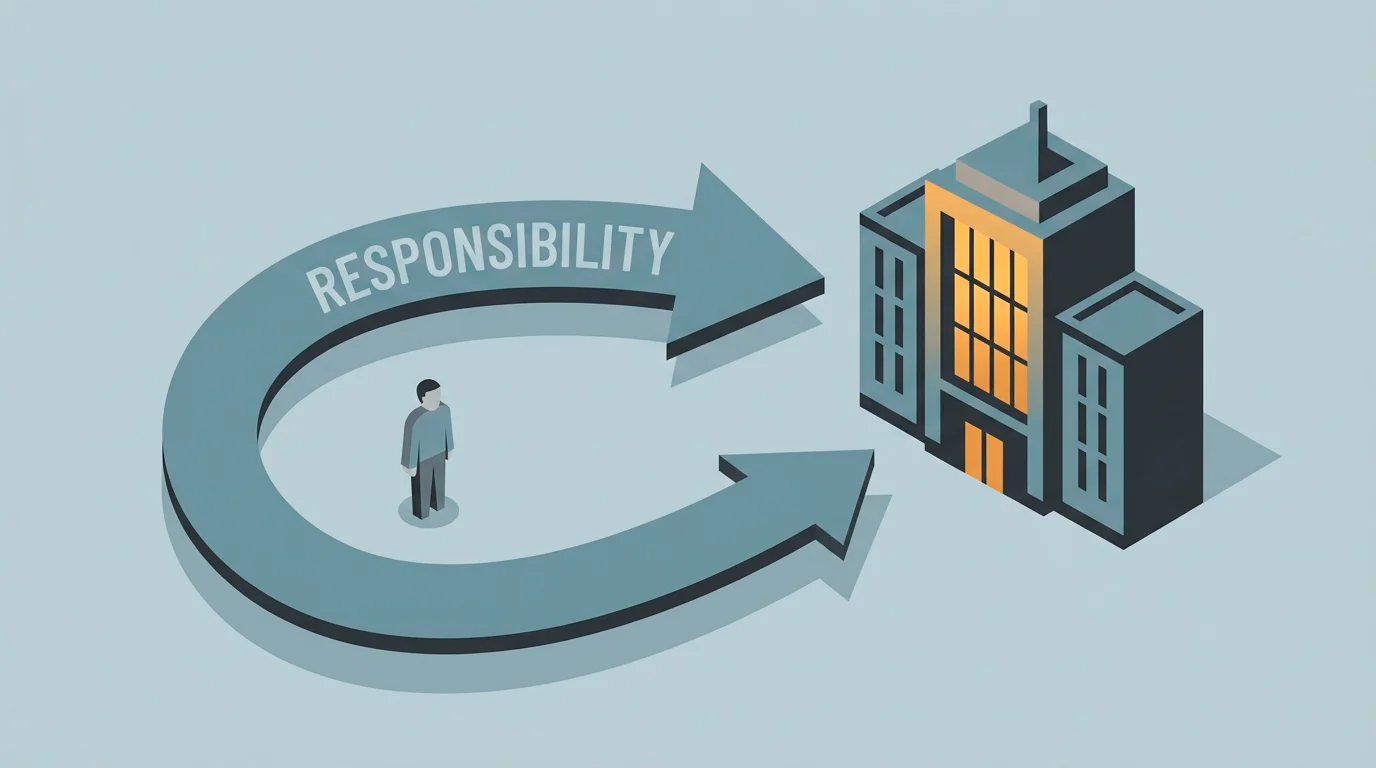
You are not prosecuted, but you are unprotected
So the player is not committing an offence. That is the reassuring half of the picture. The other half is that stepping outside the UK system means stepping outside the safeguards built into it.
When you play at a UKGC-licensed site and something goes wrong, you have a defined route to challenge it. You can escalate through an approved alternative dispute resolution body, and the regulator stands behind the licence conditions. None of that travels with you to an offshore site.
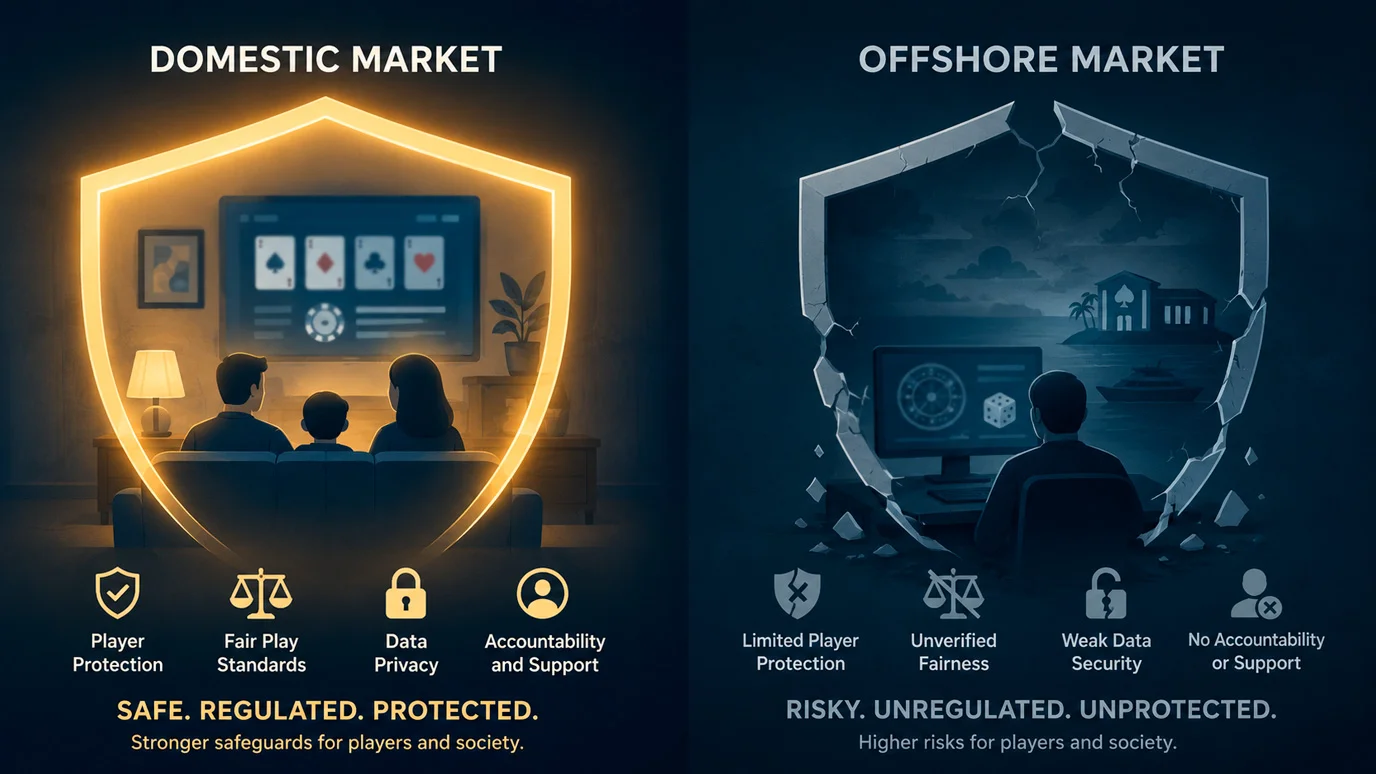
No UK-approved dispute resolution
Offshore players usually cannot escalate a complaint to a UK ADR body or to the Gambling Commission.
No guaranteed fund protection
There is no UK requirement that an offshore operator keeps your balance safe or segregated.
Limited recourse in UK courts
A civil claim against an offshore operator is often impractical to enforce through the courts here.
In other words, the casino’s home jurisdiction sets the rules for fairness and refunds, and those rules are usually weaker than the UK regime. The full breakdown sits in the protections you lose offshore.
Your own bank may get in the way
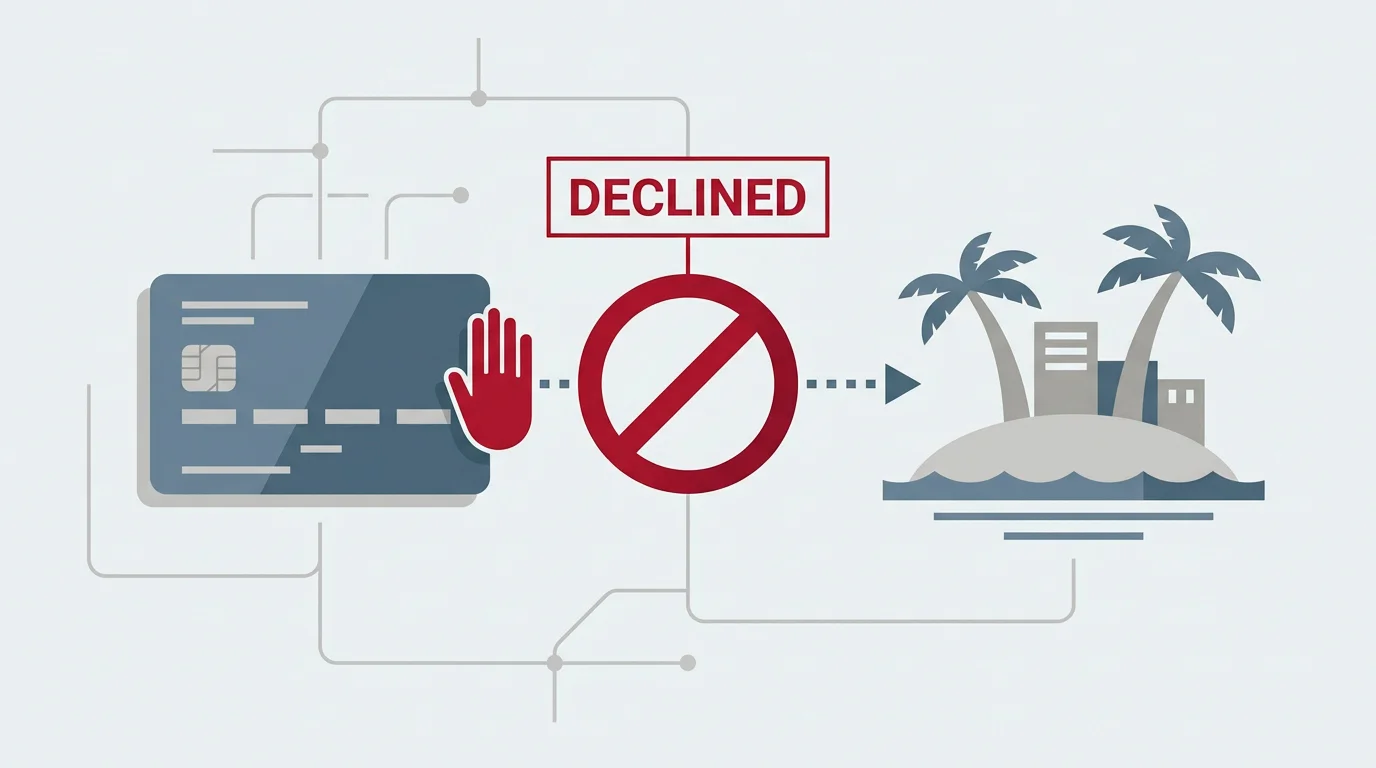
There is a practical wrinkle beyond the law itself. Some UK banks flag or block card and transfer payments to operators they identify as unlicensed, and that practice has expanded as enforcement against offshore sites has stepped up.
That can leave a player in an awkward spot: the transaction is not illegal, but it may simply be declined, or it may be routed through methods that strip away chargeback rights. Many offshore sites lean on cryptocurrency for exactly that reason.
It is a useful reminder that “legal for the player” does not mean “frictionless for the player”. The lack of a UK licence shows up in small, practical ways long before any dispute, from a blocked card to a payment method that quietly removes your usual protections.
The regulator publishes its position on unlicensed operators on the UK Gambling Commission website, and it is worth reading before assuming a deposit will go through smoothly.
Being self-excluded changes the stakes, not the law
The legal position is the same whether or not you are on GamStop. But for someone who has self-excluded, using an offshore site means deliberately removing the very block they chose to put in place.
That is a personal risk rather than a legal one, and it is the reason this site treats the topic carefully rather than as a convenient workaround. If you registered to take a break, the responsible route back is set out in the legitimate way off GamStop.
What this means in practice
Put simply: you will not be prosecuted for playing at a casino not on GamStop, but you are trading the UK’s consumer safeguards for an overseas licence that may offer far less. The legality question and the safety question are not the same question.
It also helps to separate two ideas that often get blurred. “Legal” here means the player commits no offence, while “regulated” means a body stands behind the fairness and safety of the product. An offshore site can be the first without being the second, and that is precisely the trade you are making.
This is general information rather than legal advice, and individual circumstances vary. If a specific dispute or sum of money is involved, a qualified adviser is the right place to take it.
To see how the wider regulatory squeeze feeds the demand for these sites, the analysis continues in the reforms driving players offshore. For the wider context, you can also return to the full non-GamStop guide.
Support if you need it
You must be 18 or over to gamble in the UK. If your gambling no longer feels under your control, free and confidential help is available.
Call the National Gambling Helpline, operated by GamCare, free on 0808 8020 133, open 24/7, with live chat at GamCare. Information and a service finder are at BeGambleAware.
The full picture is in our guide to casinos not on GamStop.
What you lose in practice is listed under playing offshore.